Adaptive Bonus Triggers Drive Changes in Esports Betting Participation Patterns
Written by Theo Koch · Jul 28, 2026
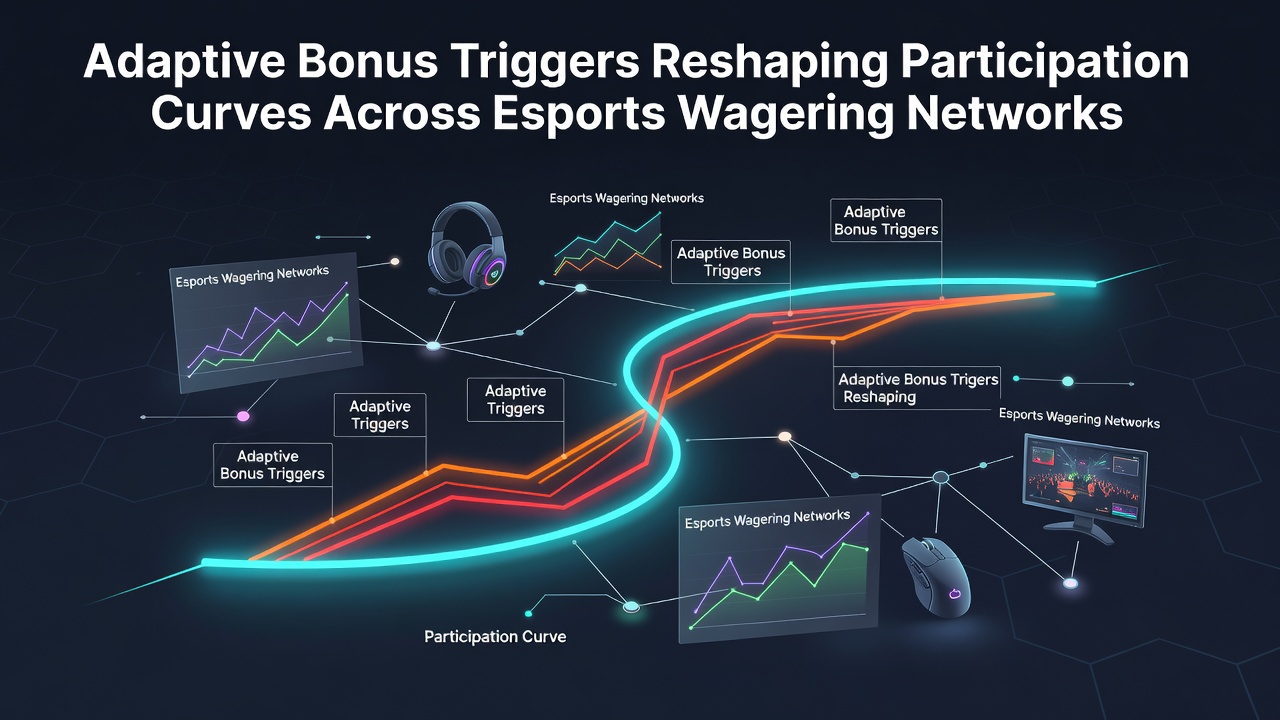
Adaptive Bonus Triggers Drive Changes in Esports Betting Participation Patterns
Adaptive bonus triggers operate through algorithms that monitor real-time user behavior in esports wagering networks, adjusting reward thresholds based on betting frequency, wager size, and game selection. These systems activate personalized incentives when specific participation metrics reach defined levels, which alters the typical engagement timeline that once featured sharp initial spikes followed by rapid declines. Data from mid-2026 shows esports betting volumes growing steadily across major platforms, with adaptive mechanisms contributing to extended session lengths in titles such as League of Legends and Counter-Strike. Researchers tracking platform metrics note that users exposed to these triggers maintain consistent activity for periods averaging 18 percent longer than those on static bonus structures.Mechanics Behind Trigger Activation
Platforms deploy machine learning models that evaluate individual account histories to set dynamic bonus conditions. A player who places repeated small wagers on Dota 2 matches might receive an escalating free bet offer once cumulative volume hits a personalized mark, while another user focused on Valorant could trigger deposit matches tied to live event participation. This approach replaces uniform promotions with individualized sequences that respond to observed patterns. Industry reports indicate that such triggers integrate with verification protocols, releasing rewards only after identity confirmation and compliance checks complete. The result appears in participation curves that flatten over time rather than peaking early and tapering off, because users encounter incentives at multiple points along their activity timeline.Observed Shifts in Engagement Metrics
Studies conducted through June 2026 reveal measurable differences in user retention when adaptive systems operate. One analysis of multi-state networks found daily active accounts in esports categories rising by 11 percent in regions where platforms rolled out behavior-linked rewards, while average wager frequency per session increased without corresponding spikes in single large bets.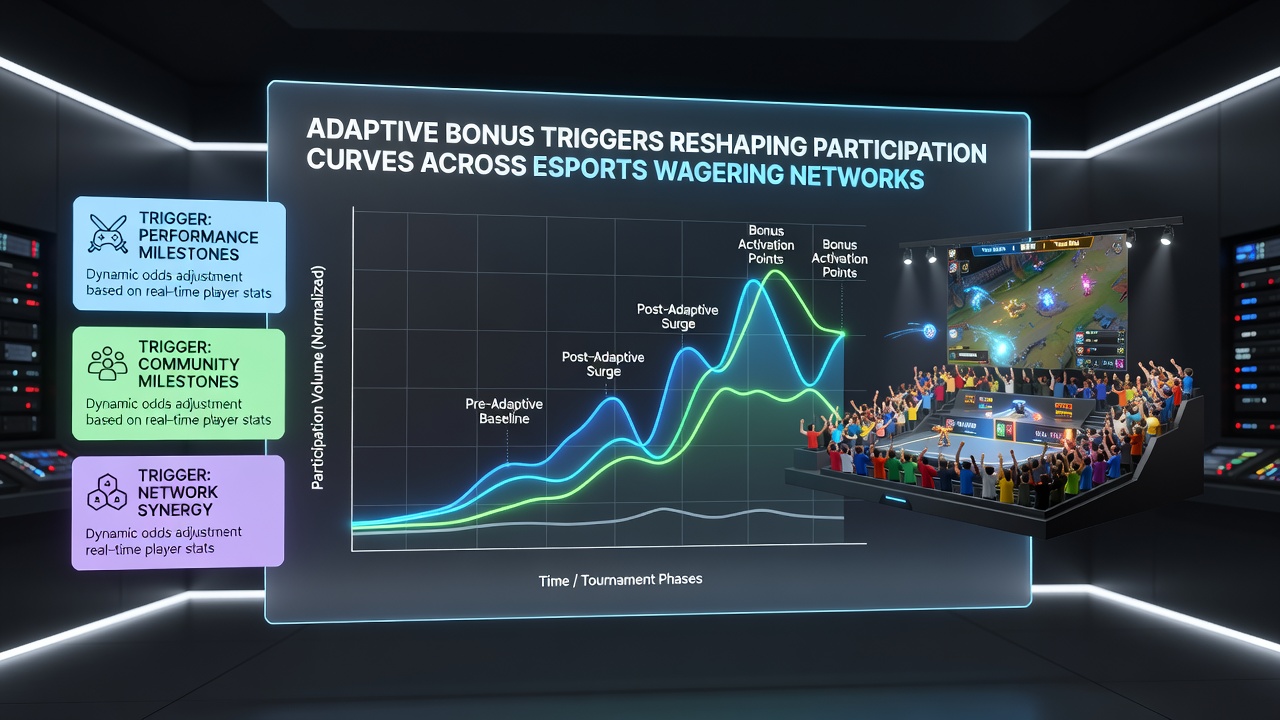 Participation curves under these conditions display smoother trajectories, with fewer abrupt drop-offs after initial deposits. Observers note that users who complete early verification sequences gain access to layered rewards that sustain activity across multiple tournaments, creating sustained rather than episodic engagement.