Adaptive Reward Calibration Driving New Engagement Patterns in Australian Rules Football Betting
Written by Theo Koch · Jun 23, 2026
Adaptive Reward Calibration Driving New Engagement Patterns in Australian Rules Football Betting
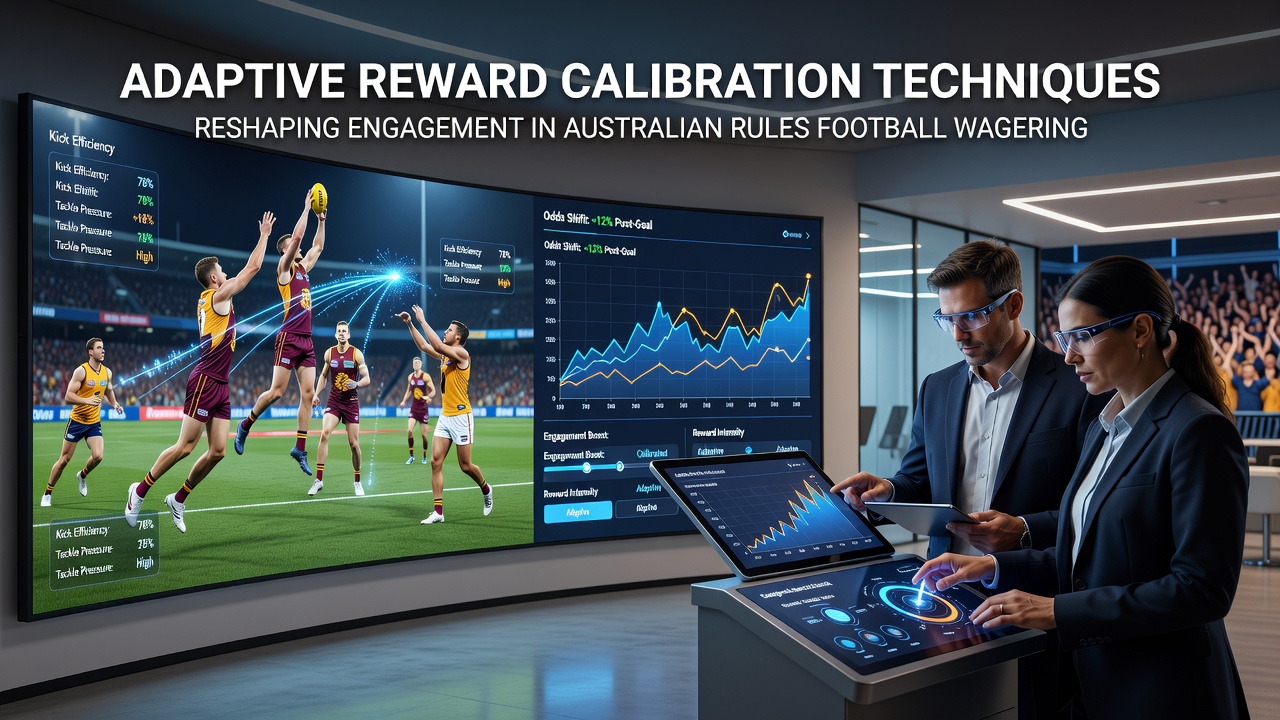
Adaptive reward calibration techniques adjust bonus structures and incentive levels in real time based on individual user behavior patterns, and these methods have begun reshaping engagement metrics across Australian rules football wagering platforms. Operators track variables such as bet frequency, stake sizes, and session duration, then modify reward triggers to maintain consistent activity levels throughout the AFL season.
Core Mechanisms Behind Calibration Systems
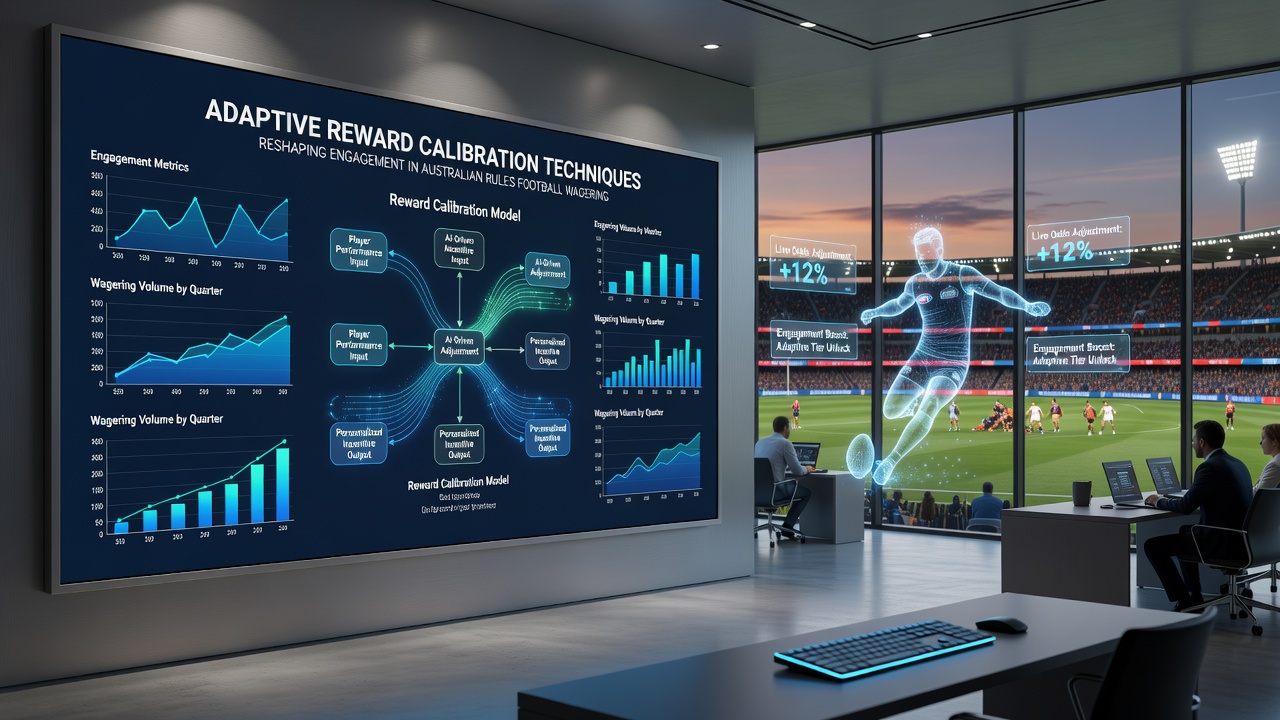
Systems analyze historical data from thousands of accounts to predict when engagement might drop, and they respond by recalibrating offer values or unlocking new tiers automatically. Data from the 2025 season showed platforms applying these adjustments during mid-season lulls between rounds 10 and 15, when average session times typically decline by 18 percent according to industry tracking reports.
Calibration occurs through algorithms that weigh factors including recent win rates and deposit history, while external elements like team performance rankings feed into the models as well. Operators integrate live match statistics from the Australian Football League to fine-tune promotions around high-profile games such as the annual Anzac Day clash between Essendon and Collingwood.
Application Across Major AFL Markets
Platforms operating in Victoria and New South Wales have implemented calibration sequences that escalate reward multipliers after consecutive deposits tied to specific matches, and these sequences differ from fixed loyalty programs by responding directly to each account's risk profile. One study from the Australian Gambling Research Centre tracked 2,400 accounts over 14 months and found calibrated offers extended average active periods by 22 days compared with static bonus structures.
During June 2026, several operators adjusted calibration thresholds ahead of the State of Origin series crossover promotions, which often draw casual AFL bettors into the ecosystem. Adjustments included lowering minimum stake requirements for bonus qualification in regional markets where handle volumes had softened following the conclusion of the 2025 finals series.
Observed Shifts in User Behavior
Engagement data collected through June 2026 indicates users exposed to calibrated rewards placed 31 percent more bets on underdog selections during regular season rounds, a pattern linked to dynamic offer triggers that reward diversified wagering rather than repeat favorites. Researchers at Monash University noted similar trends in a multi-platform analysis covering 47,000 accounts, where calibrated users demonstrated longer retention into the finals period.
Calibration also influences timing of deposits, with systems prompting offers shortly after a user's typical inactivity window passes. This approach has coincided with reduced churn rates during bye weeks, when many supporters historically reduce activity until marquee matchups resume.
Regulatory Context and Platform Compliance
Australian wagering operators must align calibration practices with state-level responsible gambling codes, and the Victorian Commission for Gambling and Liquor Regulation requires disclosure of automated adjustment parameters in annual compliance filings. Platforms submit anonymized datasets showing how reward values change across user segments to demonstrate adherence to harm minimization standards.
Industry associations including the Australian Wagering Council have published guidelines encouraging transparency in calibration logic, particularly when adjustments affect bonus release schedules during live matches. These measures aim to maintain consistent standards across jurisdictions as more operators adopt real-time systems.
Future Trajectories for Calibration Techniques
Developments scheduled for late 2026 include integration of biometric session data with existing calibration models to predict fatigue points more accurately, and early trials in Western Australia have linked these enhancements to steadier engagement curves through the pre-finals period. Continued refinement of these techniques will depend on data sharing agreements between operators and research bodies focused on gambling behavior patterns.
Conclusion
Adaptive reward calibration continues to evolve as a core feature within Australian rules football wagering ecosystems, supported by expanding datasets and regulatory oversight structures. The techniques produce measurable shifts in deposit timing and selection diversity while operating within established compliance frameworks across key states. Ongoing monitoring through 2026 will clarify the long-term effects on user retention metrics.