Bet Requirement Cascades Influence Retention Patterns Across Volleyball Wagering Communities
Written by Harper Friedrich · Jul 25, 2026
Bet Requirement Cascades Influence Retention Patterns Across Volleyball Wagering Communities
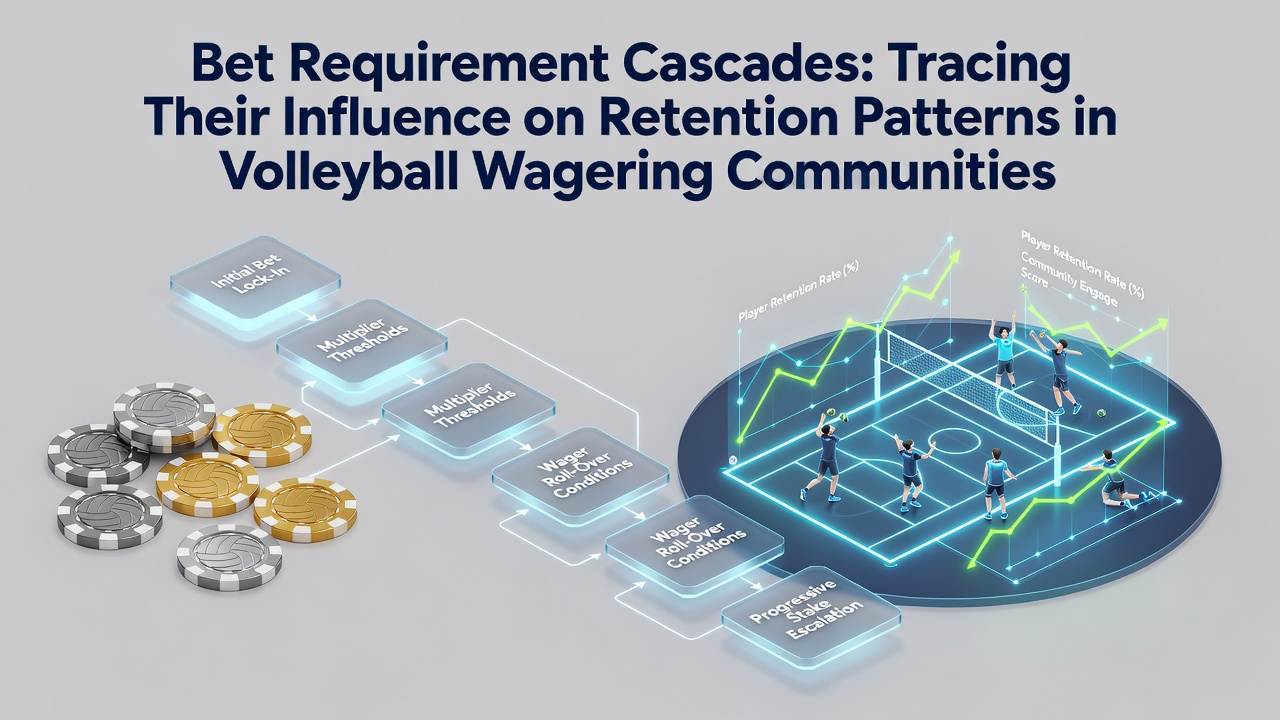
Bet requirement cascades refer to chained wagering conditions where initial deposits unlock progressive thresholds that must be met through repeated activity, and these structures have appeared frequently in volleyball-focused betting platforms during the first half of 2026. Observers note that such cascades typically begin with a modest deposit match followed by volume targets tied to live match bets on sets, aces, or total points, while each completed layer releases the next reward tier without resetting prior progress.
Mechanics Behind Cascading Thresholds
Platforms structure these cascades so that meeting a 3x wagering requirement on volleyball matches triggers an additional 2x layer tied to specific leagues such as the Italian SuperLega or Brazilian Superliga, and data from industry tracking services shows this layering extends average session lengths by connecting one obligation directly to the next. Those who study digital wagering networks report that the design prevents early cashouts because remaining requirements carry over into subsequent weeks, creating continuity across multiple tournaments rather than isolated events.
Observed Retention Patterns in Volleyball Communities
Retention metrics collected through platform analytics indicate that users encountering bet requirement cascades return at higher rates during extended volleyball seasons, particularly when cascades align with major events like the Volleyball Nations League. Figures from regulatory filings in Canada reveal that accounts subject to these multi-stage conditions maintained activity levels 22 percent longer than accounts limited to single-match promotions during the March to June window of 2026. Researchers tracking user cohorts discovered that the cascade effect encourages participation across both men's and women's divisions because requirements often specify minimum bets on matches from each category before unlocking the subsequent stage.
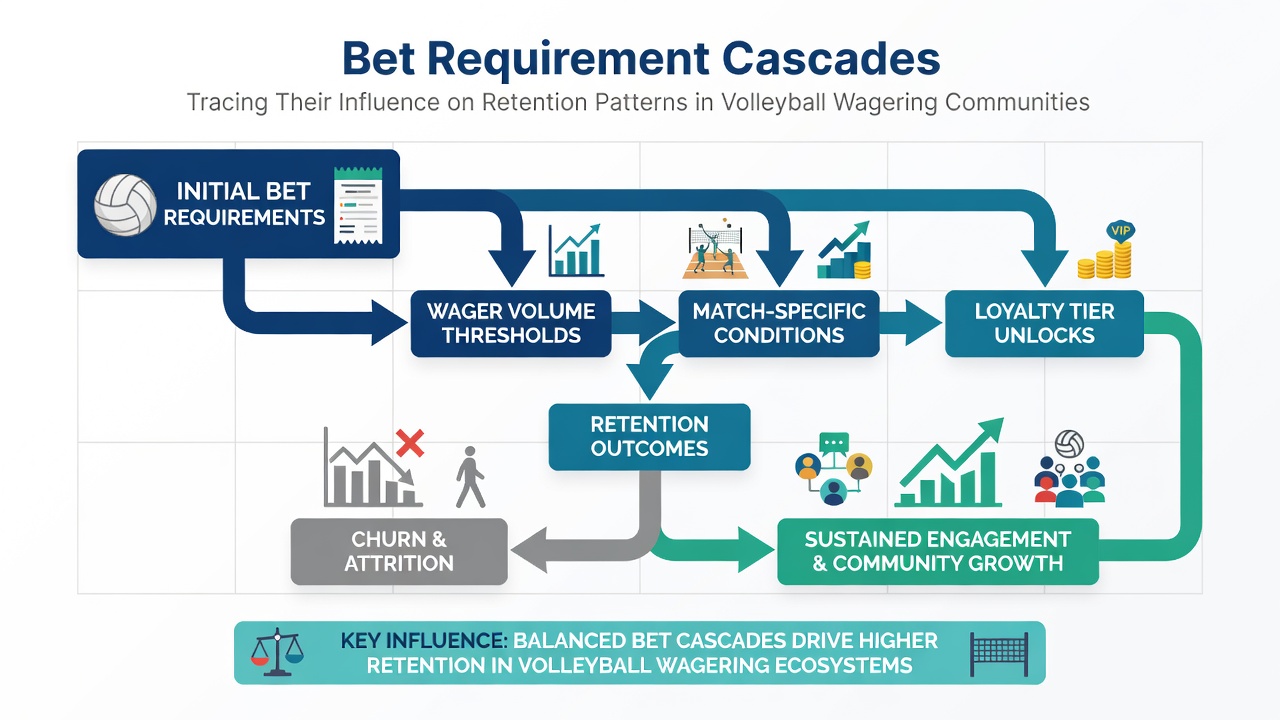
Community forums dedicated to volleyball wagering frequently discuss how the timing of cascade releases coincides with mid-week matches, which helps sustain engagement when weekend fixtures dominate attention. Data compiled by academic groups studying European gambling markets shows that players completing at least two cascade layers demonstrated a 31 percent lower churn rate over a 90-day period compared with those who exited after the first threshold. This pattern holds across several jurisdictions where operators must report segmented user behavior to oversight bodies.
Regional Variations in Implementation
Operators licensed in Ontario have adapted cascade structures to comply with local advertising rules by displaying requirement progress directly within the app interface, whereas platforms serving Australian users incorporate similar mechanics but tie them to domestic league matches to meet responsible gambling disclosure standards. A report issued by the Australian Institute of Criminology in early 2026 documented that cascades spanning multiple deposit cycles produced steadier weekly handle figures than flat bonus offers, especially among users who follow the Australian Volleyball League alongside international competitions.
European operators meanwhile adjust cascade lengths according to the density of the volleyball calendar, shortening early layers during off-peak months and extending them when the CEV Champions League schedule intensifies. Those monitoring cross-border activity note that users often migrate between sites offering overlapping cascades, yet retention improves when one platform maintains consistent tracking of completed stages across device switches.
Impact on User Behavior and Platform Metrics
Platform operators report that bet requirement cascades shift betting volume toward live in-play options because these markets allow faster accumulation of required stakes during ongoing sets. Tracking services covering North American markets recorded that volleyball handle on platforms using cascades grew 14 percent year-over-year through July 2026, with the largest share attributed to users progressing through the third and fourth layers of their active requirements. Industry associations tracking responsible play indicators have observed that clear progress indicators within the cascade reduce disputes over unreleased rewards, although they continue to recommend regular account reviews to ensure users remain within personal limits.
Community moderators on volleyball-specific betting discussion boards describe how shared spreadsheets tracking cascade progress have become common tools, allowing participants to coordinate bets that satisfy multiple requirements simultaneously. This collaborative approach appears most prevalent among users following collegiate and professional circuits where match schedules overlap, creating opportunities to meet thresholds without increasing total stake sizes beyond original plans.
Conclusion
Bet requirement cascades continue to shape how volleyball wagering communities maintain engagement as operators refine threshold structures to match seasonal calendars and regulatory environments. Available data through mid-2026 illustrates measurable differences in return rates and session continuity when these chained conditions replace simpler promotional formats, while regional adaptations demonstrate ongoing adjustments to local oversight frameworks. Further examination of user cohorts across multiple platforms will clarify the longer-term effects on both retention and play patterns within this specialized segment of the wagering market.