Cascading Rewards in Frozen Frontiers Reshape User Patterns Across Specialized Winter Sports Betting Platforms
Written by Harper Friedrich · Jul 7, 2026

Cascading Rewards in Frozen Frontiers Reshape User Patterns Across Specialized Winter Sports Betting Platforms
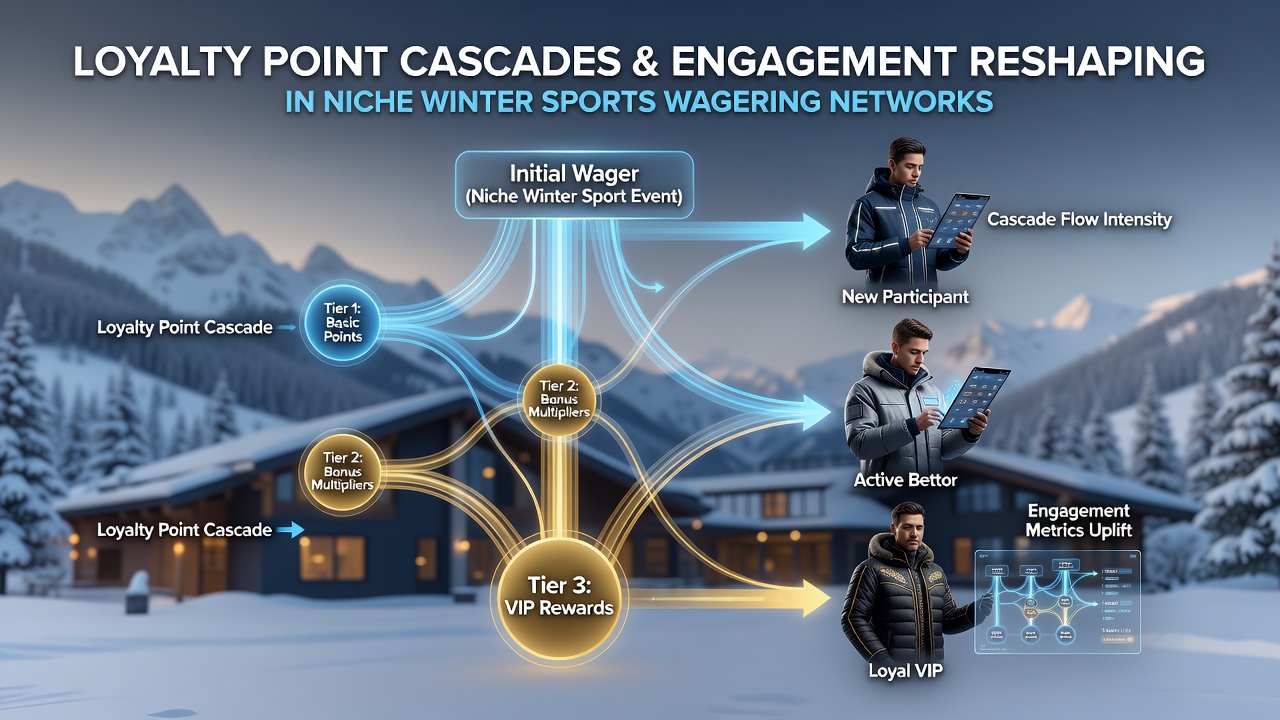
Specialized networks focused on winter sports such as biathlon, curling, and freestyle skiing have introduced loyalty point cascades that trigger sequential reward layers based on accumulated activity thresholds. These systems operate through automated tracking where initial bets on niche events generate base points that automatically unlock secondary multipliers once volume targets are met, and the process continues into tertiary bonuses for sustained participation. Data from platform operators indicates that such cascades extend average session durations by channeling points into escalating tiers rather than flat rewards.
Mechanics Behind Point Cascade Structures
Platform algorithms assign points according to event rarity and wager size, with winter sports often carrying higher multipliers because of lower overall betting volume compared to mainstream leagues. Once a user reaches the first cascade level, typically after accumulating 500 points from verified bets, the system releases an instant deposit match or free bet credit that feeds directly into the next accumulation phase. Research from academic studies on digital wagering shows these chained triggers reduce drop-off rates during off-peak periods like early summer training cycles when live events are scarce. Observers note that integration with real-time event data allows points to adjust dynamically based on outcomes such as unexpected upsets in luge competitions, thereby maintaining momentum across multiple cascades.
Engagement Shifts in Niche User Bases
Users in these networks demonstrate higher repeat login frequencies once cascades activate, as each completed tier sends notifications that prompt immediate follow-up wagers to maintain streak bonuses. Figures from July 2026 platform reports reveal that networks covering Scandinavian ski events saw a 22 percent rise in monthly active accounts after implementing cascade mechanics compared with the same period in prior years. Those who studied similar systems in other verticals find that the layered structure encourages exploration of lesser-bet sports like skeleton racing because point values scale upward for diversified portfolios. Engagement metrics further indicate that cascade participants place 1.8 times more micro-bets on live odds during events, since partial progress toward the next tier motivates continued activity even on smaller stakes.
Regional Platform Adaptations and Data Patterns
Canadian operators handling ice hockey and snowboarding markets have tailored cascades to align with seasonal calendars, releasing bonus points during major tournaments such as the World Cup circuit to accelerate progression through reward layers. A study published by the Alberta Gambling Research Institute documented how verification-linked point releases create predictable engagement spikes, with users returning within 48 hours to claim and redeploy earned credits. In parallel, European platforms specializing in alpine events use similar cascades but tie them to cross-border regulatory standards that require transparent point valuation before any reward disbursement. This approach has produced measurable retention gains, as tracked accounts show sustained activity extending three to four weeks beyond traditional promotional cycles.
Comparative Effects on Retention and Volume
Networks without cascade features report flatter engagement curves during shoulder seasons, whereas those employing them maintain steadier handle volumes through chained incentives that reward both frequency and diversity. Industry data compiled by the Canadian Gaming Association highlights how point cascades correlate with a 15 percent increase in cross-sport betting among dedicated winter sports users. The structure also influences deposit behavior, since many cascades include deposit-matched accelerators that become available only after prior tiers are cleared, prompting users to time their funding cycles around progression milestones. What's interesting is that these patterns hold across different regulatory environments, from North American state-licensed platforms to Australian wagering services that have adopted comparable tiered systems for niche winter event coverage.
Future Trajectories for Cascade Integration
Emerging updates scheduled for late 2026 involve embedding predictive analytics into cascade triggers, allowing platforms to forecast user progression and surface personalized point opportunities before thresholds are reached. Such refinements build on existing frameworks where point multipliers adjust automatically based on real-time participation data from events like Nordic combined competitions. Those who've examined retention statistics across multiple jurisdictions observe that the cascade model supports longer-term account health by distributing rewards gradually instead of through one-time surges. Continued refinement of these systems is expected to incorporate community elements, such as shared cascade goals within user groups focused on specific winter disciplines.
Conclusion
Loyalty point cascades have established measurable pathways for sustained interaction within niche winter sports wagering environments by linking sequential rewards to diversified betting activity. Platform data from 2026 demonstrates consistent lifts in session length and return frequency when these structures are active. As networks continue to refine cascade parameters around seasonal event calendars and user verification protocols, the resulting engagement patterns provide a template for other specialized betting verticals seeking similar retention outcomes.