Decoding Adaptive Incentive Triggers That Extend Engagement Cycles in Emerging Mobile Wagering Networks
Written by Harper Friedrich · May 16, 2026
Decoding Adaptive Incentive Triggers That Extend Engagement Cycles in Emerging Mobile Wagering Networks
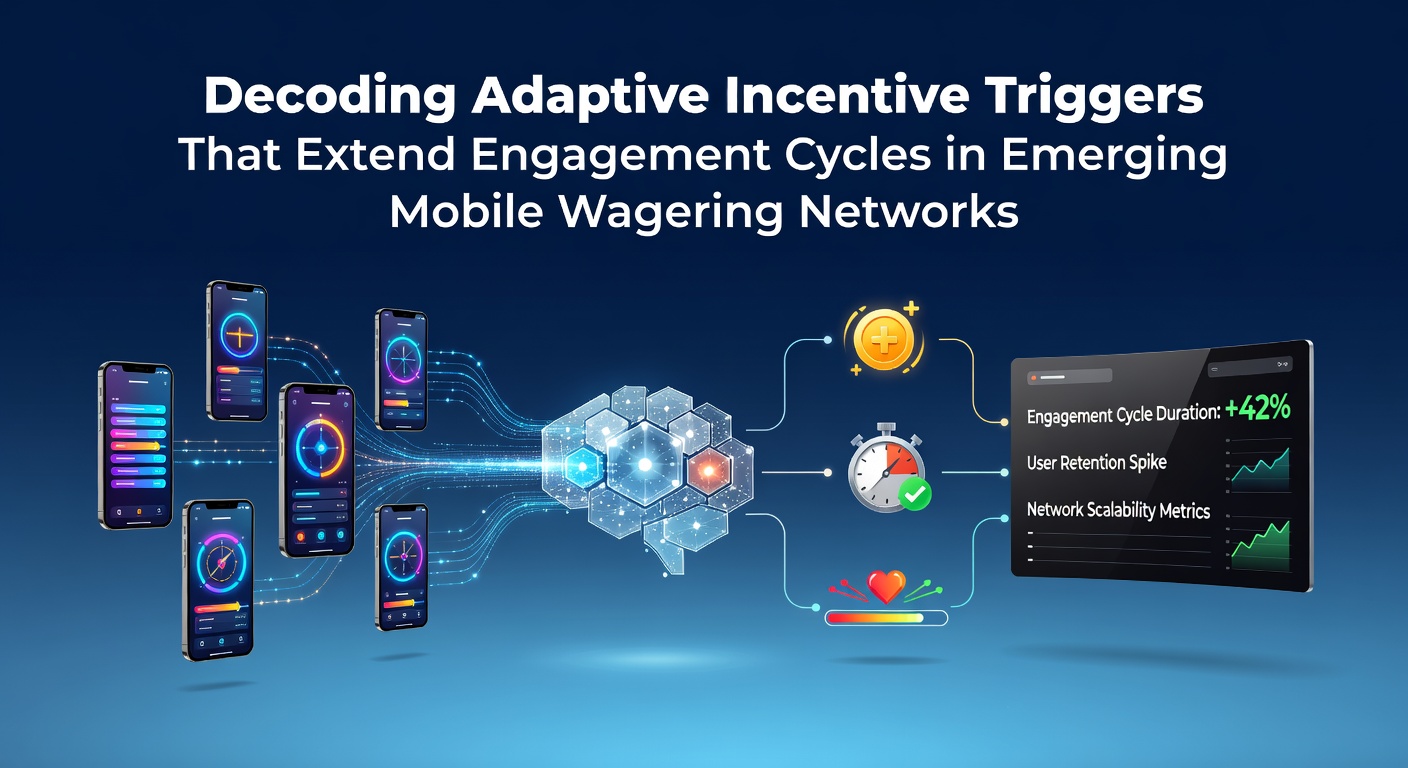
Emerging mobile wagering networks rely on adaptive incentive triggers that respond to individual user patterns in real time, and these systems adjust rewards based on betting frequency, session length, adn risk tolerance to prolong user activity across multiple platforms. Data from industry reports shows that such mechanisms operate through algorithms which monitor live interactions and deploy targeted offers before engagement levels drop, creating extended cycles that differ from static bonus structures used in established markets.
How Adaptive Triggers Function in New Mobile Networks
These triggers activate when specific behavioral thresholds appear in user data streams, and operators in developing wagering ecosystems apply machine learning models to predict when a participant might disengage. For instance, a network might detect reduced login intervals over a seven-day span and immediately surface a conditional reward tied to a live event in a niche sport, which sustains participation without requiring the user to initiate contact. Researchers note that this process draws from aggregated anonymized datasets rather than fixed schedules, allowing the system to evolve with each interaction cycle.
Platforms built on newer infrastructure often integrate location-based signals alongside historical wager types, and this combination enables triggers that align incentives with geographic events such as regional tournaments. Observers have documented cases where networks in expanding markets achieve higher retention by linking rewards to micro-events within ongoing matches, a tactic that keeps sessions active through incremental updates instead of one-time promotions. The approach contrasts with legacy systems that rely on predetermined calendars, since adaptive versions recalibrate hourly based on incoming telemetry.
Behavioral Data Patterns Driving Longer Cycles
Studies tracking mobile wagering sessions reveal that adaptive triggers extend average engagement periods by responding to early indicators of fatigue, such as shorter bet sizes or skipped notifications. According to figures released by the Nevada Gaming Control Board, networks employing these methods recorded sustained activity windows that stretched 18 to 24 percent beyond those using non-adaptive methods during comparable periods. The data further indicates that triggers tied to social sharing features or community challenges produce compounding effects, where one user's extended cycle influences connected accounts within the same network.
Examples from Expanding Markets in 2026
By May 2026 several emerging networks in North American and Asian-Pacific regions had implemented layered trigger sequences that combine deposit-linked incentives with performance-based multipliers, and these sequences adapt if the user shifts focus to different sports or bet formats. One documented implementation involved an algorithm that monitored live odds changes and inserted risk-mitigated options precisely when volatility increased, which maintained session continuity during high-stakes periods. Those who analyzed post-implementation metrics found that users exposed to such responsive triggers completed more sequential actions per visit compared with control groups on static interfaces.
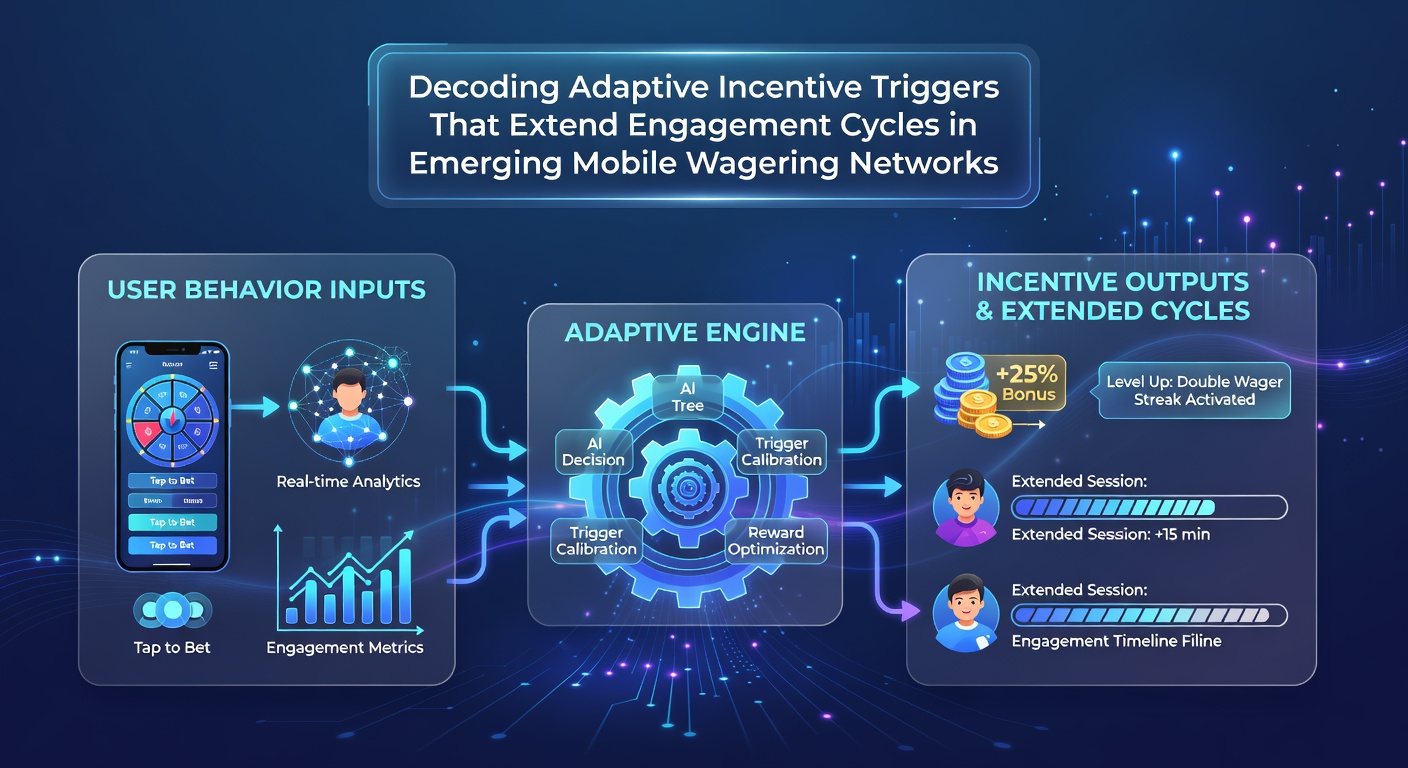
Another pattern observed in newer platforms involves cross-device synchronization, where a trigger initiated on a smartphone carries over to tablet sessions without resetting the incentive state. This continuity reduces friction that typically interrupts cycles, and operators report that seamless transitions correlate with higher completion rates for multi-step reward paths. Data compiled across multiple jurisdictions shows these features prove especially effective in markets where regulatory frameworks permit rapid iteration of digital offerings.
Integration with Regulatory and Technical Frameworks
Regulatory bodies in various regions require transparency in how adaptive systems calculate and deliver incentives, and emerging networks address this by embedding audit trails that log each trigger event alongside user consent records. The Alcohol and Gaming Commission of Ontario has published guidelines that emphasize clear disclosure of adaptive parameters, which encourages platforms to maintain logs that external reviewers can access. Such requirements shape the technical architecture so that triggers remain explainable while still functioning dynamically across mobile sessions.
Technical constraints in these networks often center on latency and data privacy standards, yet developers have incorporated edge computing to process trigger decisions closer to the user device. This reduces delays that could otherwise break engagement momentum, and the resulting architecture supports real-time adjustments without transmitting full behavioral profiles to central servers. Observers tracking implementation timelines note that networks launched after 2024 adopted these hybrid processing models more readily than earlier entrants.
Conclusion
Adaptive incentive triggers represent a core operational layer in emerging mobile wagering networks, and their capacity to extend engagement cycles stems from continuous recalibration against live user signals. Evidence from regulatory reports and session analytics confirms measurable differences in retention when these systems operate versus static alternatives, while geographic and technical variations continue to influence how triggers manifest across different platforms. As networks mature through 2026 and beyond, the interplay between behavioral data, regulatory oversight, and device capabilities will determine the next refinements in cycle extension strategies.