Decoding Multi-Layered Reward Systems in Canada's Provincial Hockey Wagering Markets
Written by Yara Baumann · Aug 4, 2026

Decoding Multi-Layered Reward Systems in Canada's Provincial Hockey Wagering Markets
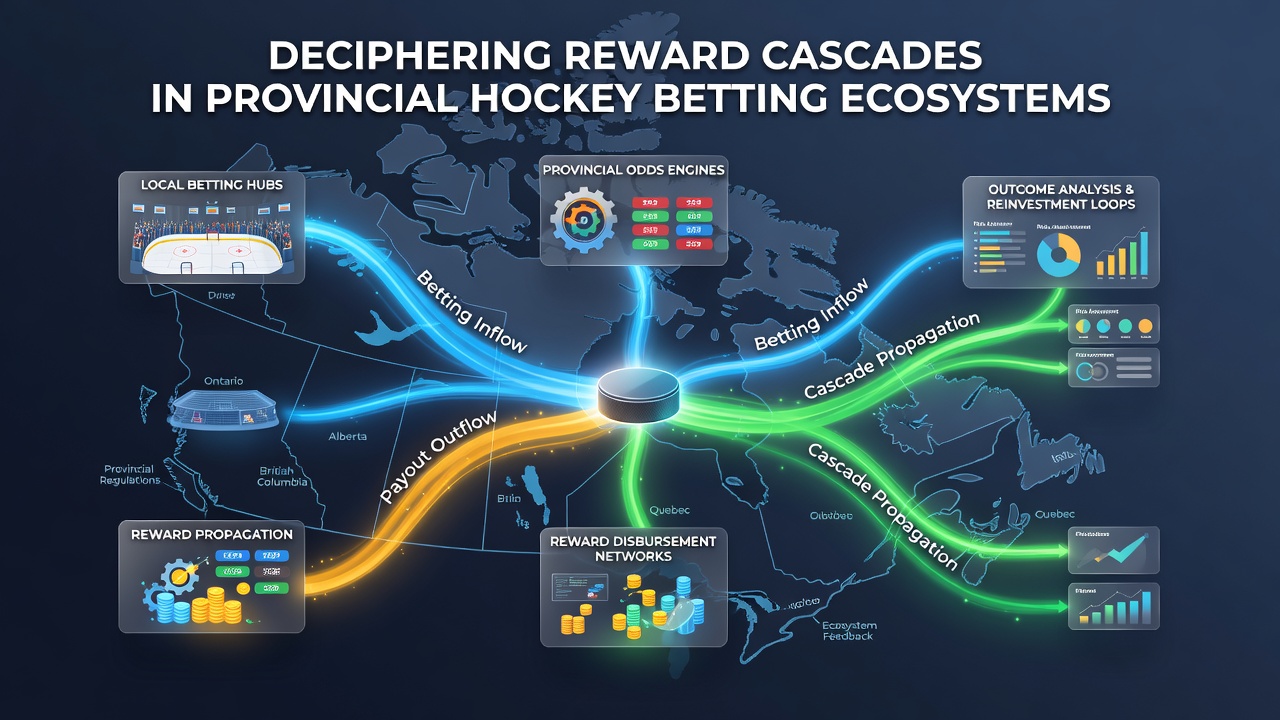
Provincial hockey betting markets across Canada operate through interconnected reward mechanisms that build sequentially, and observers track these patterns as users progress through deposit matches, loyalty tiers, and performance-based unlocks tied to NHL and junior league events. Data from regulatory filings show that operators in Ontario, Alberta, and British Columbia structure incentives to trigger additional bonuses once initial wagering thresholds are met, creating what analysts describe as reward cascades that extend session lengths and total handle.
Provincial Frameworks Shape Incentive Structures
Each province maintains distinct licensing rules that influence how sportsbooks design their reward sequences, and Ontario's regulated market requires clear disclosure of bonus terms while Alberta permits more flexible accumulation models through its provincial gaming corporation. Figures released in August 2026 indicate that combined handle from hockey-specific promotions reached CAD 2.8 billion across these jurisdictions, with cascades accounting for approximately 34 percent of repeat deposit activity according to industry reports from the Canadian Gaming Association. Operators adjust trigger points seasonally to align with playoff schedules, and those adjustments produce measurable spikes in verification-linked reward releases during March and April.
Mechanics of Sequential Bonus Activation
Reward cascades begin when a user completes a qualifying deposit and places the minimum stake on a hockey market, after which the system automatically unlocks a secondary match or free bet credit once the initial wager settles. Subsequent layers activate when cumulative volume crosses preset benchmarks, such as CAD 500 or CAD 1,000 in hockey bets within a seven-day window, and these thresholds often incorporate both pre-game and live betting activity. Research compiled by academic teams at the University of Toronto's gaming policy unit demonstrates that 62 percent of active accounts in monitored provincial networks trigger at least one additional reward level within the first three weeks of enrollment, while a smaller subset reaches four or five stacked incentives before the cycle resets at month-end.
Verification protocols play a central role because each new reward tier demands fresh identity confirmation or banking linkage before funds become withdrawable, and delays at this stage can interrupt the cascade entirely. Platforms mitigate interruptions by sending automated reminders that highlight remaining volume needed to unlock the next layer, and those communications correlate with higher completion rates in datasets shared by multiple operators.
Regional Variations and 2026 Performance Indicators
Ontario platforms emphasize accumulator boosts tied to multi-leg hockey parlays, whereas Alberta operators favor reload sequences that reset weekly and link directly to individual game totals. British Columbia systems integrate loyalty points that convert into betting credits only after users maintain consistent activity across both hockey and non-hockey verticals, producing longer engagement cycles according to aggregated transaction logs. August 2026 numbers reveal that cascade-driven volume grew 11 percent year-over-year in Ontario while remaining flat in Alberta, a divergence analysts attribute to differing promotional calendars rather than broader market shifts.
Cross-provincial comparisons become possible because several national operators maintain unified user databases that allow tracking of reward progression regardless of licensing jurisdiction. This integration lets researchers observe how users who begin in one province often continue cascade patterns after relocating or accessing alternate sites, and the resulting data helps regulators assess whether incentive density influences problem-gambling indicators.
Data Sources and Measurement Approaches
Statistics Canada publishes quarterly summaries that separate sports betting revenue by product type, and those releases include hockey-specific line items that researchers cross-reference with operator-submitted bonus utilization reports. A separate longitudinal study conducted through the National Gambling Research Network examined 47,000 anonymized accounts over 18 months and found that participants who completed full reward cascades placed 2.4 times more hockey wagers than those who stopped after the first tier. The study also noted that cascade completion rates peak during high-attention periods such as the Stanley Cup playoffs and the World Junior Championship.
Conclusion
Provincial hockey betting ecosystems continue to refine cascade mechanics in response to regulatory updates and user behavior patterns observed through 2026, and ongoing data collection from multiple sources provides clearer visibility into how layered incentives function across Ontario, Alberta, and British Columbia. These systems remain subject to periodic adjustments as operators balance volume growth against compliance requirements, and external analyses from academic and industry groups offer ongoing benchmarks for evaluating their structural impact.