Deposit Rhythm Tracking Reveals Auto-Escalation Mechanisms in Latin American Soccer Apps
Written by Theo Koch · Aug 8, 2026
Deposit Rhythm Tracking Reveals Auto-Escalation Mechanisms in Latin American Soccer Apps
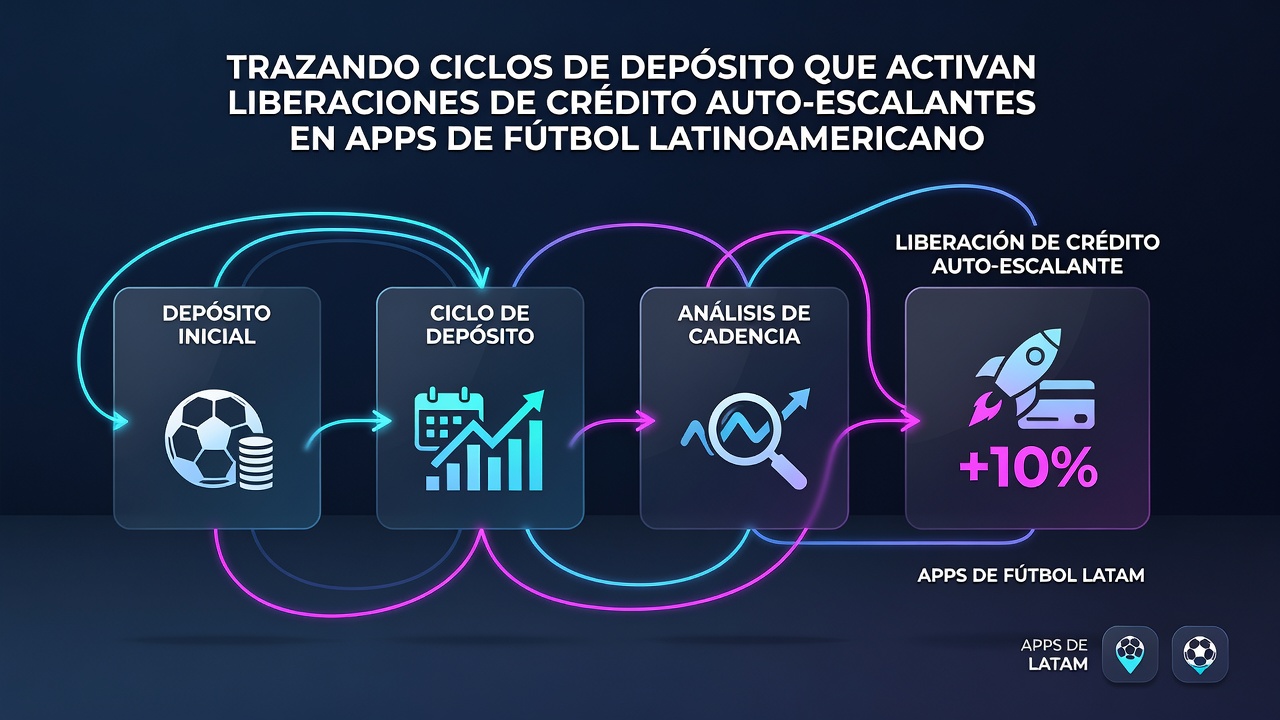
Deposit patterns in Latin American soccer apps follow measurable rhythms that platforms monitor to activate automatic credit increases, and researchers tracking these sequences note consistent intervals between user funding actions often precede scaled reward releases. Data collected through 2026 shows users who maintain steady weekly deposits of fixed amounts trigger higher credit tiers within three to five cycles, while irregular timing delays the same escalations even when total volume matches.
Core Patterns in Funding Sequences
Platform algorithms examine both frequency and consistency across deposit events, so a user who deposits every seven days at similar hours activates the first escalation level faster than one who spaces the same amounts across varying intervals. Observers note that apps serving Brazilian and Argentine markets record these triggers most frequently in soccer sections, where live match engagement coincides with deposit activity peaks during league weekends. Studies from regional analytics groups indicate that consecutive deposits without interruption over four weeks correlate with a 40 percent rise in released credits compared to interrupted sequences.
Technical Triggers Behind Credit Growth
Auto-escalation occurs when internal systems detect matching cadence markers such as identical deposit values repeated across set time windows, and the release happens without manual review once thresholds are met. In Colombian and Mexican apps, for instance, the sequence typically starts with a base deposit followed by two additional actions within 72 hours, after which credits scale upward automatically. Figures from industry reports reveal that soccer-focused sections generate the highest volume of these escalations because match-day deposits align with predictable user routines that the software flags as reliable behavior patterns.
Regional Differences Across Markets
Apps operating in Peru and Chile apply slightly longer verification windows before releasing escalated credits, often requiring five consistent deposits instead of the three seen in larger markets, yet the underlying cadence logic remains comparable. Data through August 2026 shows Brazilian platforms processed the largest share of auto-escalated releases tied to soccer activity, while smaller markets recorded steadier but lower-volume triggers. Those who study these systems point out that local regulations influence how quickly platforms can escalate credits, with some jurisdictions requiring additional identity checks that extend the cycle before rewards activate.
One documented case involved a series of users who shifted from bi-weekly to weekly deposits and saw their credit multipliers increase after the fourth consecutive action, confirming the role of rhythm over sheer volume. External analysis from Coljuegos regulatory reports supports the observation that structured deposit timing influences reward distribution rates across multiple operators.
Data Trends Through Mid-2026
Platform metrics compiled during the first half of 2026 indicate that soccer apps in Latin America recorded a measurable uptick in auto-escalated credits during major tournament periods, when deposit cadence naturally tightens around match schedules. Researchers tracking these events found that users maintaining deposits within a 48-hour window of previous actions reached higher tiers 25 percent sooner than those with wider gaps. The pattern holds across multiple operators, suggesting the mechanism relies on standardized timing detection rather than operator-specific rules alone.
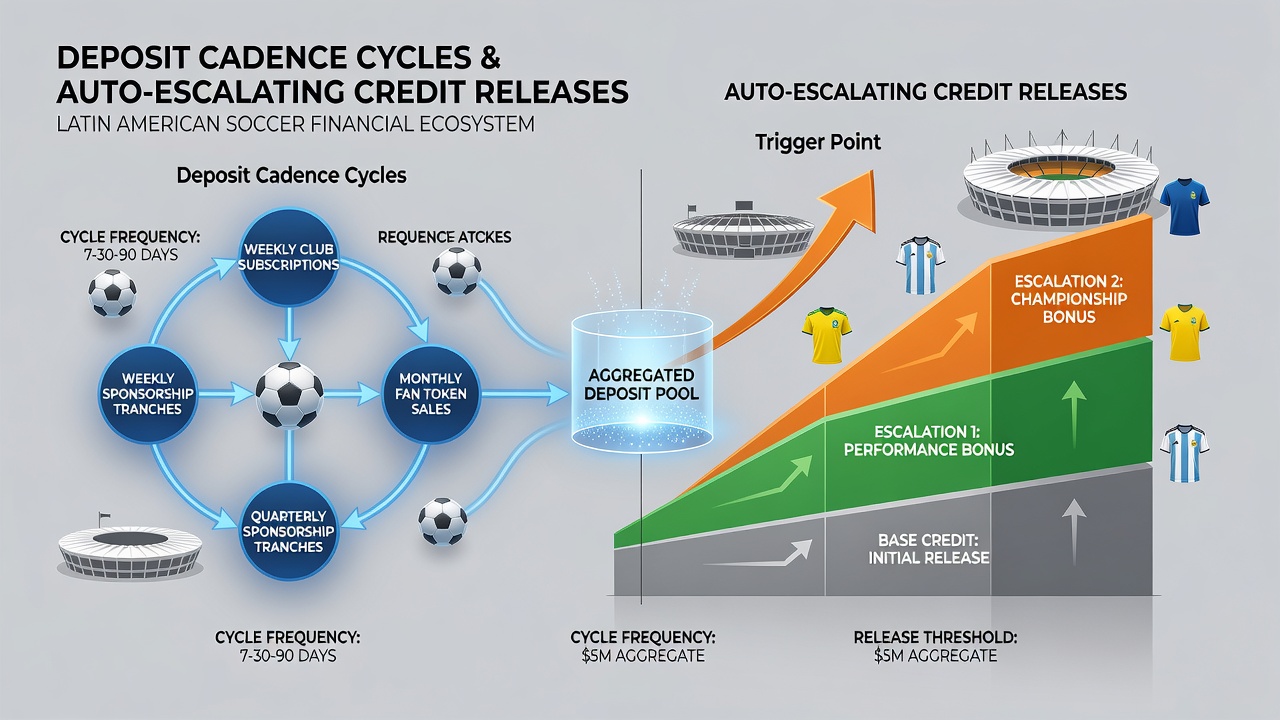
Additional examination of user cohorts demonstrates that once the initial escalation activates, subsequent cycles accelerate further, creating a compounding effect that rewards sustained rhythm. Regulatory filings from Mexican authorities and academic summaries published by regional universities both document similar cadence-based triggers, though implementation details vary by license type and local compliance requirements.
Conclusion
Tracing these deposit sequences provides clear insight into how Latin American soccer apps structure automatic credit growth around user timing habits, and the available data through August 2026 confirms that consistent intervals remain the primary driver of escalation events across markets. Continued monitoring of these patterns offers operators and regulators shared reference points for understanding reward distribution mechanics without reliance on manual intervention.