Louisiana Lawmakers Pass Bill Allowing Bans on Bettors Who Harass Sports Figures
Written by Harper Friedrich · May 28, 2026

Louisiana Lawmakers Pass Bill Allowing Bans on Bettors Who Harass Sports Figures
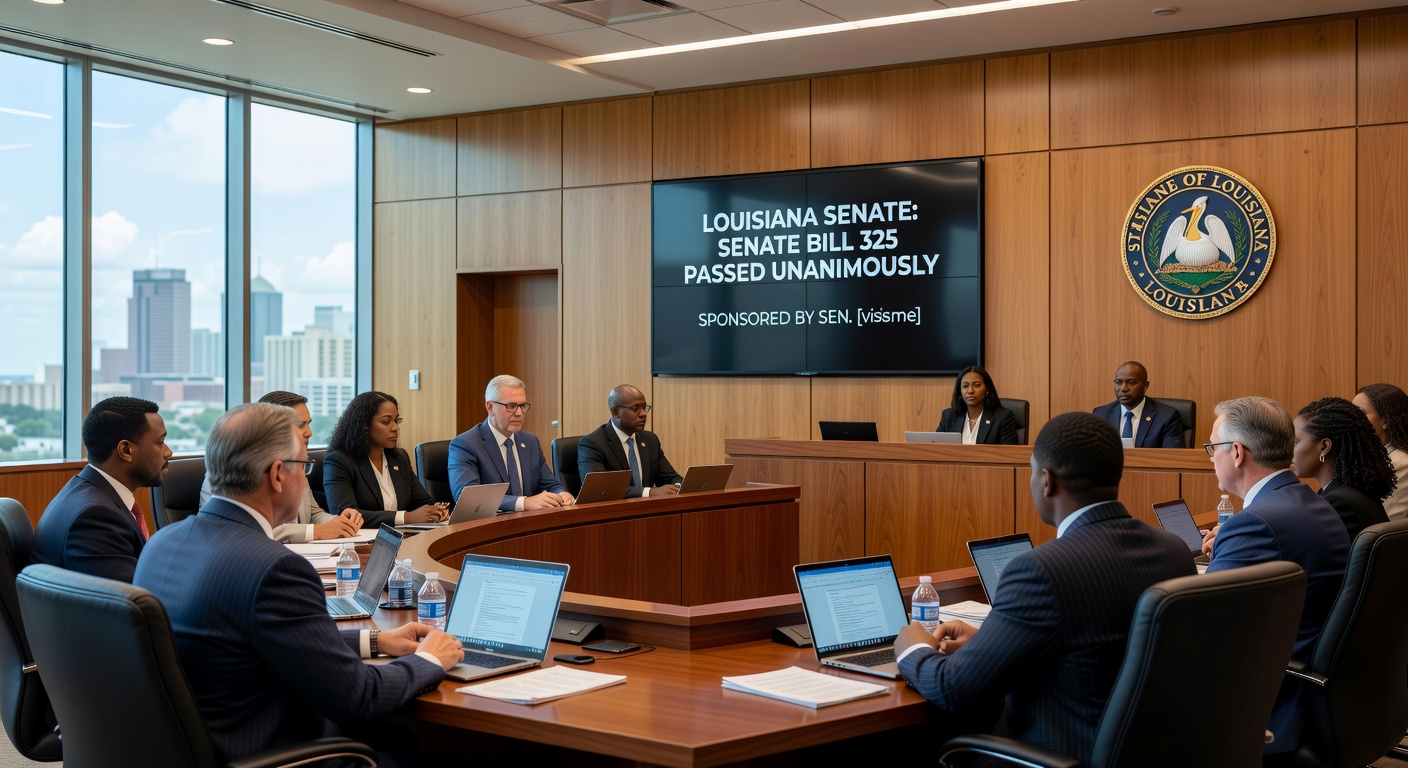
Louisiana state senators and representatives moved Senate Bill 325 through both chambers with unanimous support in recent weeks, creating a mechanism for the Louisiana Gaming Control Board to restrict residents from retail and online sports betting when they engage in harassment or threats tied to wagering events. The measure, introduced by Sen. Mike Reese, targets misconduct directed at athletes, coaches, officials, and other participants connected to sports that involve betting activity, and it now awaits action from Gov. Jeff Landry before it can take effect.
Core Provisions of the Legislation
Senate Bill 325 grants the gaming control board explicit authority to impose betting bans on individuals found responsible for harassment, threats, or related misconduct, and those restrictions would apply across both physical sportsbooks and digital platforms operating within the state. The language covers incidents connected to sporting events that have ties to sports wagering markets, while the board would determine the duration and scope of any prohibition based on evidence presented during review. Lawmakers structured the bill to operate alongside existing regulatory frameworks rather than creating an entirely new enforcement body, which allows current licensing and monitoring systems to incorporate the new restrictions without major restructuring.
Under the terms, residents who violate the standards could lose access to legal betting channels for specified periods, and the board holds discretion to review cases involving direct threats or sustained campaigns against participants in events where betting occurs. The statute does not alter criminal penalties for harassment but adds a civil regulatory consequence focused specifically on the privilege of participating in state-regulated wagering. Observers note that the approach mirrors measures already operating in three other jurisdictions, yet it tailors enforcement to Louisiana's particular mix of retail and online operators.
Vote Tallies and Path Through the Legislature
The Senate approved the bill on a 38-0 vote before it advanced to the House, where members passed it without dissent on a 101-0 tally. Those margins reflect broad agreement across party lines on the need to address fan conduct that intersects with legalized betting markets. Sponsors highlighted the measure as a proactive step that protects the integrity of events while preserving the overall framework of sports wagering that the state has developed since legalization.
Committee hearings examined how other states implemented similar rules, and testimony addressed the practical steps the gaming board would need to verify complaints and notify operators of any bans. The process emphasized coordination between the board and licensed sportsbooks to ensure excluded individuals cannot circumvent restrictions through multiple accounts or venues. Once signed, the law would position Louisiana as the fourth state to adopt such provisions, following Wyoming, Ohio, and West Virginia in linking betting privileges to standards of conduct around sports figures.
Comparison With Existing State Models
Wyoming implemented its version of betting restrictions for misconduct several years ago, establishing a precedent that Ohio and West Virginia later adapted to their own regulatory structures. Louisiana's bill draws from those examples yet incorporates language that accounts for both retail sportsbooks and the growing volume of online wagers handled through mobile apps. Officials in those earlier states reported that the rules function as an additional compliance layer rather than a primary enforcement tool, and Louisiana regulators would likely follow similar administrative procedures when processing complaints.
Data from states that already maintain such policies show that the number of formal bans remains relatively low compared with overall betting participation, yet the existence of the authority serves as a deterrent in documented cases. Louisiana's gaming control board would need to develop clear intake processes for complaints and coordinate with law enforcement when criminal conduct overlaps with regulatory violations. The measure does not require new funding allocations in its current form, since existing staff and oversight systems would absorb the additional responsibilities.
Implementation Timeline and Regulatory Next Steps
If Gov. Jeff Landry signs the legislation, the gaming control board would begin rulemaking procedures that outline exact criteria for findings of misconduct and the appeal process available to affected bettors. Those rules would specify how operators receive notification of bans and the technical methods for blocking accounts across platforms. Industry participants have already begun reviewing their internal compliance protocols in anticipation of the changes, focusing on record-keeping requirements that would support any future board investigations.
The bill takes effect upon signature or at a date specified in the statute, and regulators expect initial guidance documents to appear within months of enactment. Louisiana's approach keeps decision-making centralized at the board level, which avoids creating separate local enforcement mechanisms while still allowing input from venue operators and law enforcement agencies. As of May 2026, no other states have announced plans to introduce comparable legislation, leaving Louisiana's action as the most recent expansion of this particular regulatory model.
Conclusion
Louisiana's unanimous passage of Senate Bill 325 establishes a clear regulatory pathway for addressing bettor misconduct connected to sports events, aligning the state with three others that already maintain similar authority for their gaming boards. The measure focuses enforcement power on the Louisiana Gaming Control Board, requires coordination with licensed operators, and awaits final approval from the governor before the new restrictions can be applied. Observers tracking sports wagering policy note that the bill's structure emphasizes administrative efficiency while preserving the existing framework of legal betting markets in the state.