Progressive Feature Unlocks in Virtual Sports Exchanges: Patterns of User Retention Over Time
Written by Yara Baumann · Jun 18, 2026
Progressive Feature Unlocks in Virtual Sports Exchanges: Patterns of User Retention Over Time
Virtual sports exchange systems rely on simulated athletic events and digital trading mechanisms where participants engage through wagers on algorithmic outcomes, and progressive unlock features introduce layered access to tools, bonuses, and interfaces as users meet successive activity thresholds, according to industry tracking data from multiple platforms operating through June 2026.
These systems track cumulative participation metrics such as total wagers placed, consecutive login streaks, and volume thresholds before releasing new capabilities like advanced analytics dashboards, accelerated payout options, or exclusive virtual event access, data shows from operational logs compiled across European and North American networks.
Mechanics Behind Tiered Access Releases
Operators structure unlocks around sequential milestones that build user investment gradually, with initial stages granting basic reward multipliers while later phases open customization suites and priority matching engines, researchers note in reports examining platform architectures. Platforms calibrate these triggers based on behavioral datasets that reveal optimal spacing between releases, preventing early saturation while sustaining momentum through mid-term engagement windows.
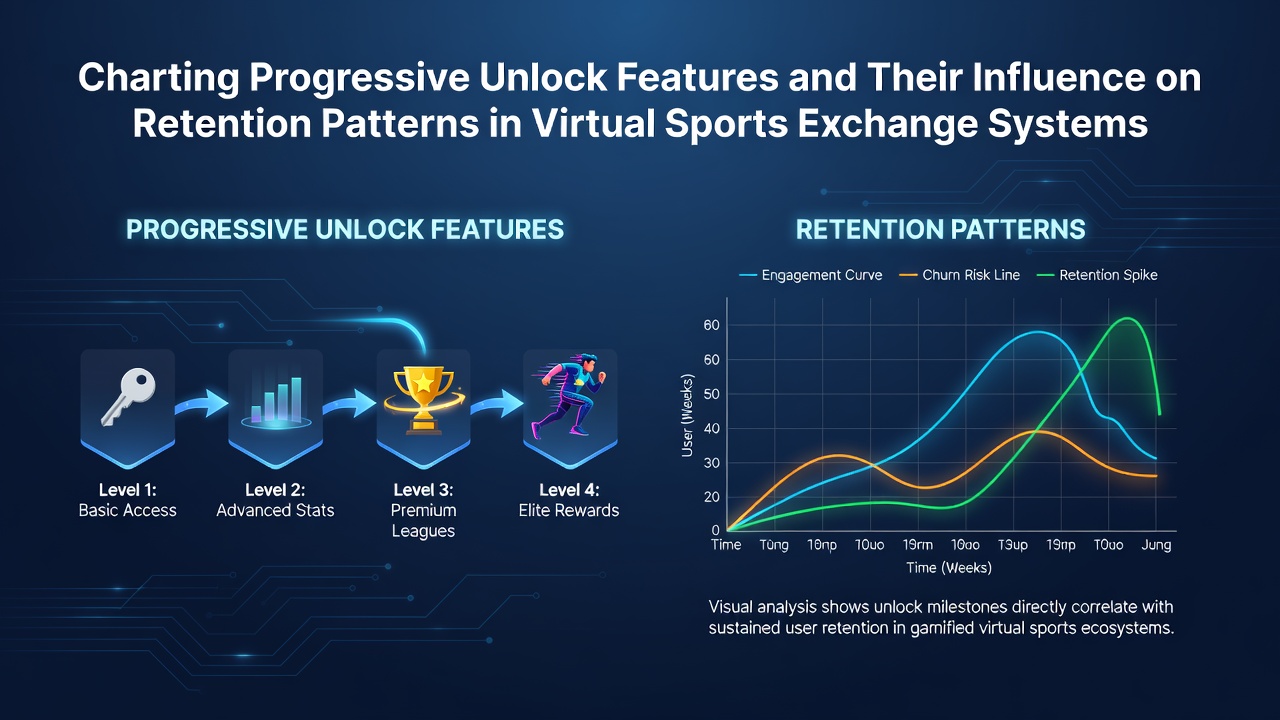
Take one exchange network that implemented a five-stage progression model in early 2025, where users advanced from standard odds viewing to real-time simulation adjustments after completing 50 verified transactions; retention metrics collected through the first half of 2026 indicated sustained activity rates climbed notably once participants crossed into the third tier, figures reveal from internal analytics shared at industry forums.
Observed Retention Dynamics Across Platforms
Studies tracking cohorts in virtual sports environments find that progressive unlocks correlate with extended session durations and reduced churn intervals, particularly when milestones align with seasonal virtual tournament cycles, data indicates from aggregated platform reports. Retention curves flatten more effectively when unlocks incorporate social trading elements, such as shared prediction pools or community leaderboard privileges, compared to purely monetary incentives alone.
What's interesting here is how geographic variations appear in implementation outcomes, with Australian market operators reporting stronger persistence among users who unlocked live simulation editing tools versus those limited to static reward credits, according to regional performance summaries released in spring 2026. Meanwhile North American exchanges observed similar patterns when verification sequences gated advanced exchange matching features behind consistent volume commitments.
Data Patterns and Platform Comparisons
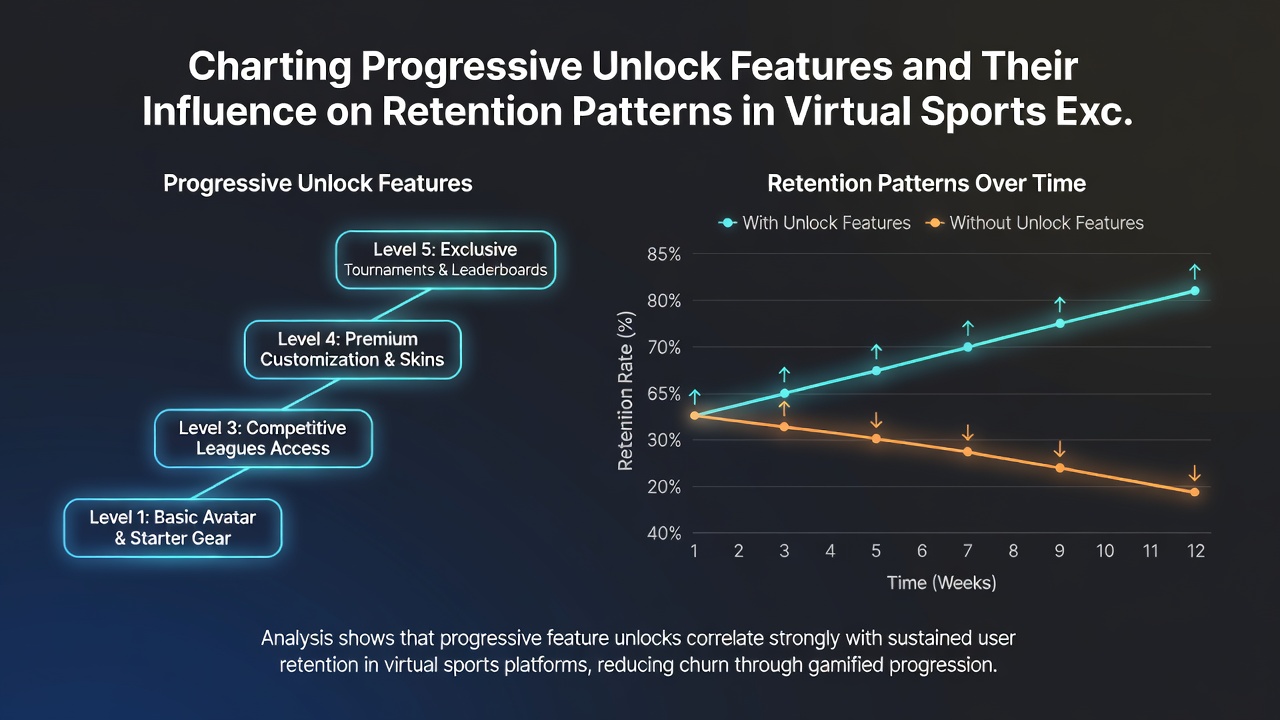
Evidence from multi-platform audits conducted through June 2026 demonstrates that exchanges incorporating graduated feature releases experienced average user lifetime extensions of 18 to 24 percent relative to flat-access models, figures released by the European Gaming and Betting Association show. These gains materialized most clearly in the 30 to 90 day window after initial registration, where unlock pacing helped bridge the common drop-off period.
One case examined by analysts at the University of Nevada's gaming research center involved a virtual soccer exchange that tied unlock progression to accumulator-style prediction accuracy rather than raw spend, resulting in higher repeat engagement among mid-tier participants without corresponding increases in overall wager volume. Such findings suggest the design of unlock criteria matters as much as the features themselves, reports indicate.
Integration With Verification and Compliance Frameworks
Regulatory environments in jurisdictions like those overseen by the Malta Gaming Authority and various Canadian provincial bodies require transparent disclosure of unlock criteria, ensuring users understand advancement pathways before committing activity, compliance records confirm. This transparency appears to support retention by reducing friction during the transition between tiers, as participants can anticipate upcoming capabilities without unexpected barriers.
Platforms also integrate identity verification steps at specific unlock thresholds to maintain security protocols while releasing higher-value features, a practice that simultaneously satisfies oversight requirements and creates natural checkpoints that reinforce account commitment, data from operational reviews confirms.
Conclusion
Progressive unlock structures continue shaping retention trajectories in virtual sports exchange systems as operators refine milestone spacing and feature combinations based on ongoing performance metrics collected through mid-2026. Observers tracking these developments note that successful implementations balance accessibility with meaningful progression, allowing platforms to sustain user bases across diverse regulatory landscapes while adapting to evolving participation patterns.