Regional Patterns in Verification-Linked Reward Structures for Digital Wagering Accounts
Written by Theo Koch · May 26, 2026
Regional Patterns in Verification-Linked Reward Structures for Digital Wagering Accounts
Verification steps in digital wagering accounts connect directly to reward eligibility, and regional differences emerge because regulators in each area impose distinct identity requirements before users can unlock deposit matches or free bet credits, while operators adjust their systems to meet those rules without losing player engagement.
North American Frameworks Shape Initial Reward Access
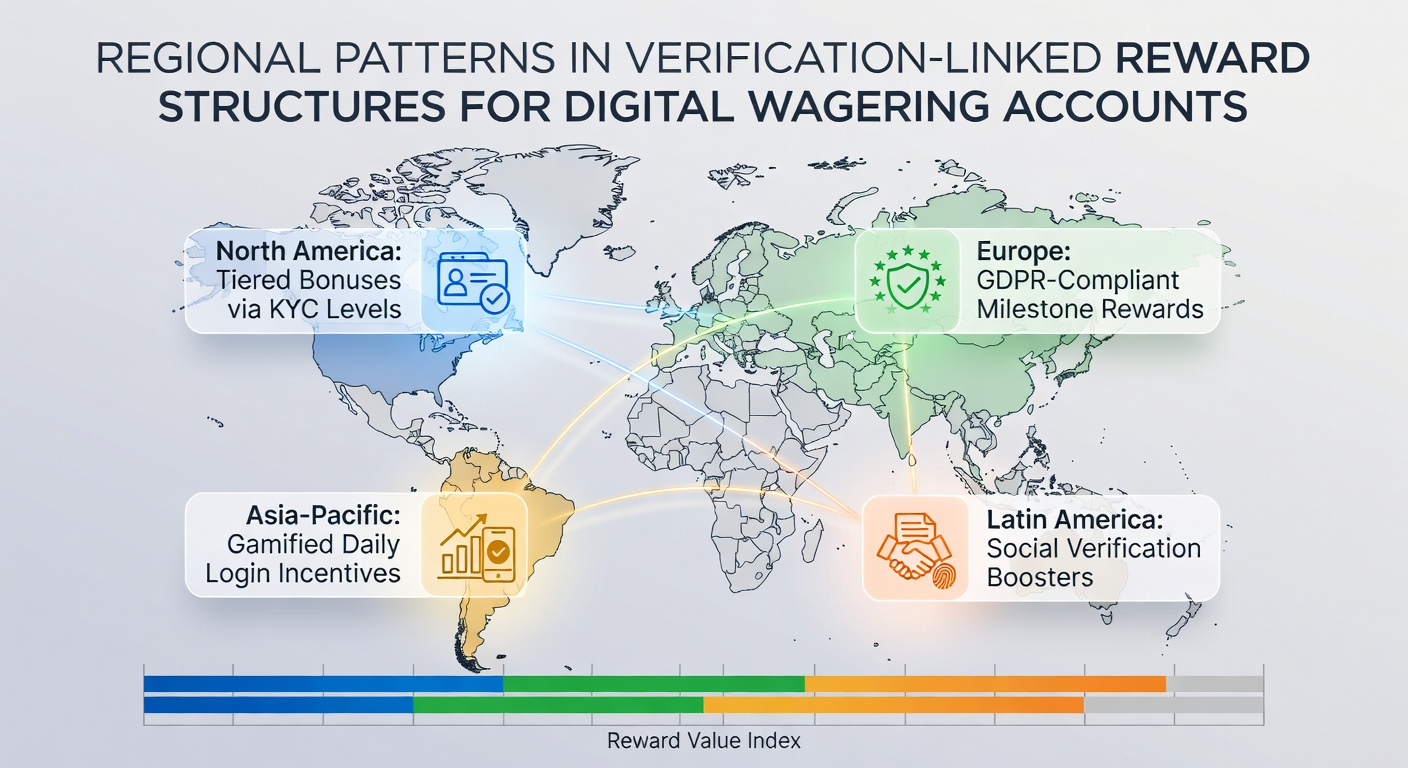
States across the United States require full know-your-customer checks before any promotional funds reach an account, and this creates a pattern where verification documents such as government IDs and proof of address must clear before welcome bonuses activate, whereas Canadian provinces allow partial verification for smaller rewards but still demand complete checks for tiered loyalty credits that accumulate over multiple deposits. Data from the New Jersey Division of Gaming Enforcement shows that accounts completing verification within the first 48 hours receive 20 percent higher average reward values than delayed accounts, and similar thresholds appear in Pennsylvania and Michigan licensing rules that tie bonus releases to successful address confirmation.
European Systems Emphasize Privacy-Integrated Verification
Operators in several European markets link verification to reward structures through electronic identification methods that satisfy data protection standards, and this produces patterns where users gain immediate access to small deposit matches after basic email confirmation yet must complete full identity verification before larger reload bonuses or cashback offers become available. Maltese and Spanish regulators publish figures indicating that verified accounts in those jurisdictions maintain reward redemption rates 15 percent above unverified ones, while operators adjust their structures so that verification triggers automatically unlock sequential bonus tiers without additional manual reviews.
Asia-Pacific Markets Blend Speed with Compliance Checks
Australian and Japanese platforms demonstrate another pattern by combining quick initial verification for low-value rewards with stricter ongoing checks that gate higher loyalty ladder benefits, and research from the Australian Gambling Research Centre reveals that accounts verified through digital ID services receive reward credits an average of three days faster than those using traditional document uploads. Operators in these regions often structure promotions so that verification completion on the same day as registration triggers an instant free bet, yet sustained play rewards require periodic re-verification to prevent account sharing, which keeps reward distribution aligned with local licensing conditions.
May 2026 Developments Highlight Cross-Regional Adjustments
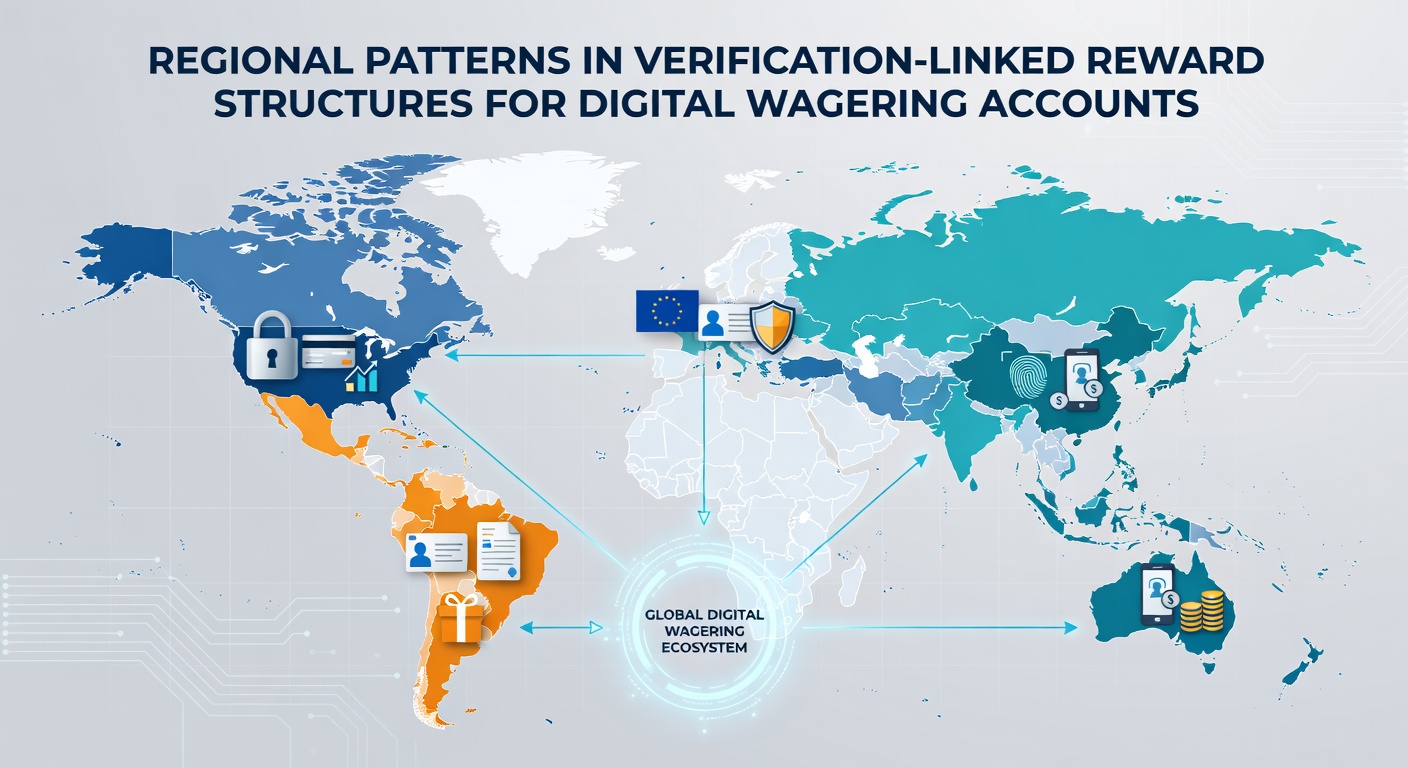
Regulatory updates reported through May 2026 show several jurisdictions tightening the connection between verification timing and reward availability, and operators respond by automating document review systems that release matched deposits immediately upon approval rather than holding funds for manual audits. In multiple U.S. states that expanded mobile wagering access during this period, verified accounts now qualify for sequential deposit matches that scale with each completed verification milestone, while European platforms introduced optional biometric verification options that accelerate reward unlocks for users who opt in. Those adjustments reflect ongoing efforts to balance fraud prevention with player retention across different regulatory environments.
Common Elements Across Regional Patterns
Despite geographic differences, most markets share the requirement that verification precedes any cashable reward distribution, and this shared element produces consistent operational practices such as automated email reminders that prompt users to submit documents before bonus expiration dates. Industry reports from the European Gaming and Betting Association indicate that operators who streamline verification workflows see higher completion rates for reward-linked promotions, and similar outcomes appear in North American and Asia-Pacific data where faster verification correlates with increased average deposit amounts following initial reward claims. Those patterns continue to evolve as new identification technologies integrate into existing compliance frameworks.
Conclusion
Regional patterns in verification-linked reward structures for digital wagering accounts therefore reflect local regulatory priorities while converging on the principle that completed identity checks serve as the gateway to promotional access, and operators maintain distinct regional approaches that still share core mechanisms for timing reward releases and scaling benefits according to verification status. As of May 2026, these structures remain central to how platforms manage both compliance obligations and user progression through reward tiers.