Sportsbook Trends Center on Live Betting and World Cup Preparations in 2026
Written by Yves Friedrich · Aug 18, 2026
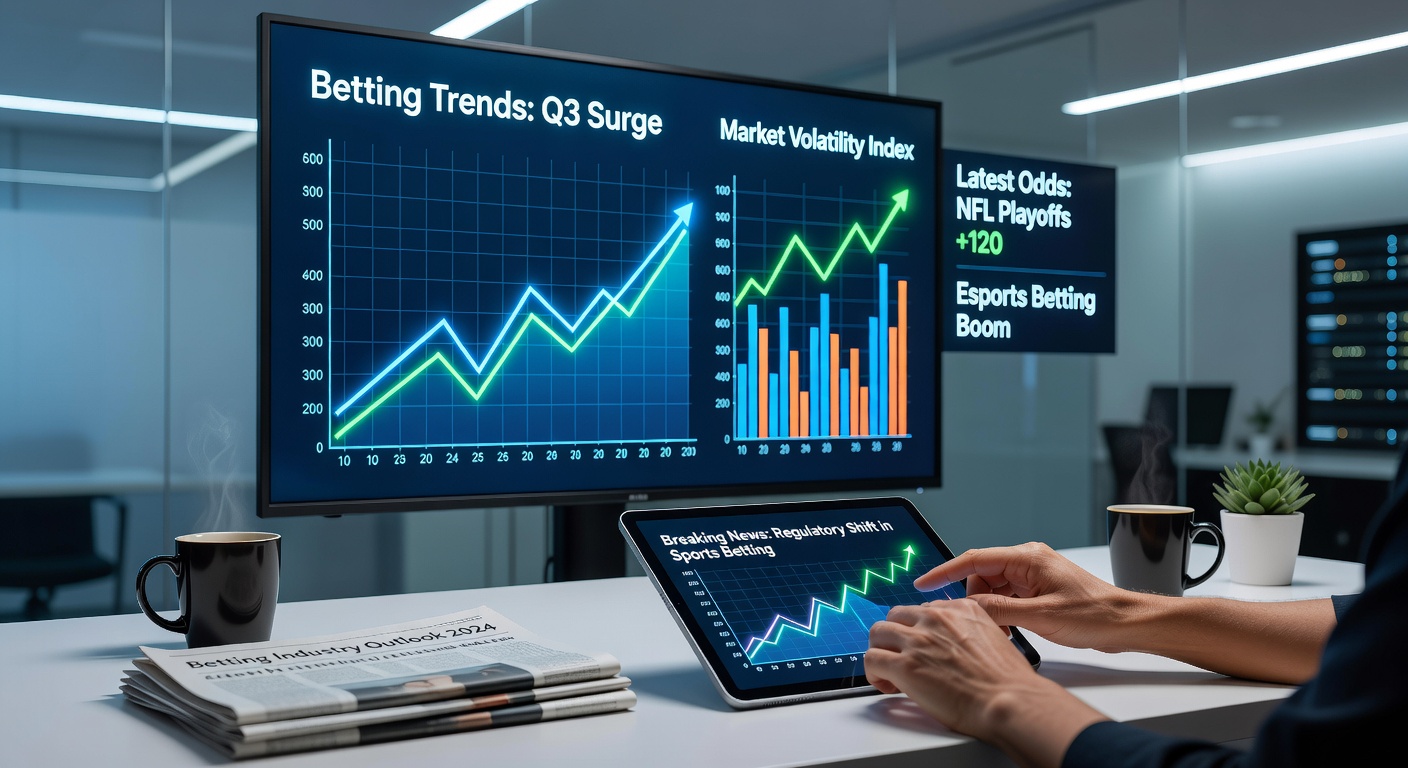
Sportsbook Trends Center on Live Betting and World Cup Preparations in 2026
Live and in-play betting, bet builders with combination wagers, AI-driven odds alongside personalization features, mobile-first platforms, and expanded soccer markets tied directly to the 2026 FIFA World Cup stand out as primary trends reshaping sportsbooks according to industry analysis. Operators concentrate resources on faster in-play updates, advanced data analytics, and refined user experiences while competition intensifies across markets.
Live Betting Gains Momentum Through Real-Time Updates
Live and in-play betting continues to expand because operators deliver quicker updates during matches, and data analytics support these rapid adjustments. Research from multiple regions shows that bettors engage more frequently when odds shift in real time, which pushes platforms to integrate faster data feeds and streamlined interfaces. Observers note that this trend aligns with broader demands for immediacy, since events unfold continuously and users expect seamless adjustments without delays.
Bet Builders Expand Combination Options for Users
Bet builders and combination wagers allow bettors to create customized selections across single events or multiple games, and this flexibility drives higher engagement on major platforms. Data indicates that these tools appeal especially to users who prefer tailored wagers rather than standard pre-set markets, while operators refine the interfaces to reduce friction during the selection process. Studies reveal that combination features often lead to increased session times, and this pattern holds across both established and emerging markets.
AI Integration Enhances Odds and User Personalization
AI-driven odds and personalization systems analyze user behavior alongside historical data to adjust offerings dynamically, and operators report improved retention when recommendations align closely with individual preferences. Evidence suggests that machine learning models help identify patterns that traditional methods might overlook, which results in more accurate pricing and targeted promotions. Those who track these developments observe that AI tools also support responsible gambling measures by flagging unusual activity patterns early.
Mobile Platforms Prioritize Speed and Accessibility
Mobile-first platforms receive priority investment because users access betting services predominantly through smartphones and tablets, and seamless navigation becomes essential for sustained activity. Figures from platform analytics show that optimized apps reduce loading times and improve feature accessibility, which in turn supports higher completion rates for in-play wagers and combination bets. Operators continue to test new interfaces that adapt across devices while maintaining consistent performance under peak loads.

Soccer Markets Expand Ahead of 2026 FIFA World Cup
Expanded soccer markets, particularly those linked to the 2026 FIFA World Cup, attract significant attention as operators prepare additional prop bets and tournament-specific features. According to reports on industry developments, these expansions include more granular options around player performance, match events, and qualification stages, and the growth coincides with heightened global interest in the expanded tournament format. Data from previous cycles shows that such market growth typically peaks in the months leading into major events, and preparations in August 2026 reflect this established pattern.
Competition Spurs Focus on Data and User Experience
Growing competition among operators leads to heavier emphasis on data analytics and overall user experience improvements, since differentiation occurs through speed, accuracy, and interface quality. Analysts track how platforms integrate real-time statistics feeds and predictive elements, while user feedback loops help refine features that keep bettors engaged over longer periods. The reality is that markets with multiple licensed operators see faster adoption of these tools, which accelerates innovation across the sector.
Responsible Gambling Measures Integrate With New Features
Responsible gambling initiatives and regulatory compliance receive parallel attention as these trends advance, and operators incorporate tools that align with evolving standards in various jurisdictions. Research indicates that features like session limits and activity summaries integrate more smoothly into modern platforms when built alongside core betting functions rather than added later. Regulatory bodies in regions such as Canada and Australia continue to monitor these integrations, and compliance remains a baseline requirement for market entry and expansion.
Conclusion
These interconnected trends illustrate how sportsbooks adapt to technological capabilities and user expectations while preparing for high-profile events like the 2026 FIFA World Cup. Faster in-play capabilities, customizable bet builders, AI personalization, mobile optimization, and soccer market growth form the core focus areas, and operators balance these advances with ongoing regulatory considerations. Data from industry sources, including reports on sportsbook trends, confirms that platforms investing in these areas position themselves for sustained activity through the coming tournament cycle. Additional insights from the American Gaming Association highlight parallel developments in data-driven operations across North American markets.