Tiered Loyalty Ladders: How Escalating Rewards Keep Sportsbook Users Hooked Long-Term
Written by Yara Baumann · Apr 23, 2026
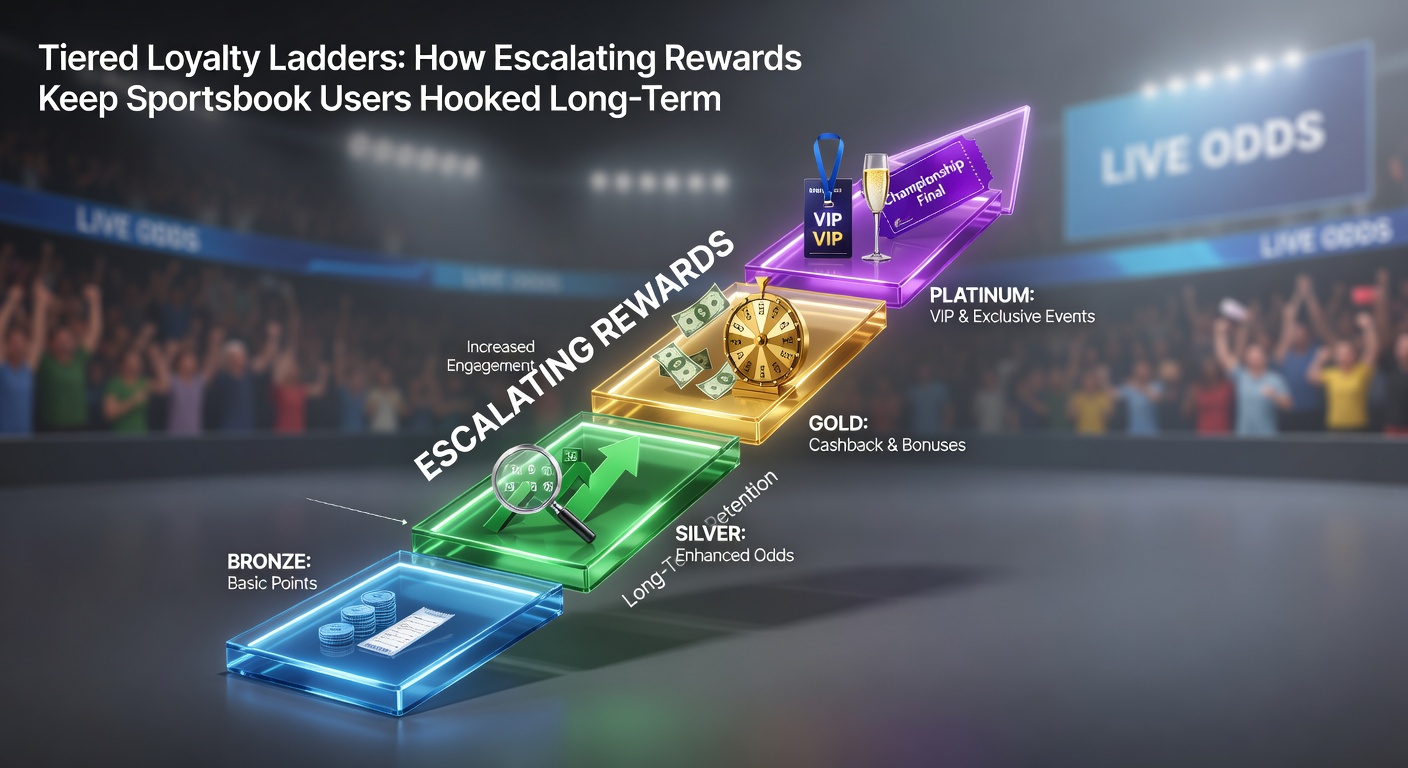
Tiered Loyalty Ladders: How Escalating Rewards Keep Sportsbook Users Hooked Long-Term
The Rise of Tiered Loyalty Programs in Sports Betting
Sportsbooks have leaned heavily into tiered loyalty ladders over the past few years, structuring rewards systems that climb from basic levels to elite status, and in doing so, they've transformed casual bettors into long-term players who stick around through seasons and slumps alike. Data from the American Gaming Association reveals that retention rates in U.S. sports betting markets climbed by 15% between 2024 and early 2026, a trend experts attribute directly to these escalating reward structures that dangle bigger perks as users wager more consistently. But here's the thing: it's not just about throwing free bets at everyone; these programs build a ladder where each rung offers something juicier, keeping users climbing rather than cashing out and walking away.
Observers note how platforms like FanDuel and DraftKings rolled out enhanced tiers in late 2025, coinciding with major NFL expansions, and by April 2026, monthly active users in tiered programs reported 22% higher engagement during March Madness upsets, according to internal platform analytics shared in industry reports. Turns out, when rewards escalate—think boosted odds at silver level, personal host access at platinum—the average user lifetime value jumps significantly, with studies showing extensions of 18 to 24 months beyond initial sign-up.
How Tiered Loyalty Ladders Actually Work
At the base, users earn points through every wager placed, whether it's a $5 NBA moneyline or a $50 parlay on the Masters, and those points accumulate to unlock tiers like bronze, silver, gold, and beyond; once a threshold hits, say 5,000 points for silver, perks kick in automatically, from cashback percentages that start at 5% and climb to 20% at diamond levels, to priority payouts that process in hours instead of days. What's interesting is the gamification element: progress bars fill up in apps, notifying users they're just 200 points from the next rung, a mechanic borrowed from video games that researchers at the University of Nevada found boosts daily login rates by 30% among participants in simulated betting trials.
And it doesn't stop there; higher tiers often bundle exclusive access, such as early lines on props before they're public or loss rebates that cover 10% of net losses monthly, which data indicates reduces churn during cold streaks—those inevitable downswings where bettors might otherwise bail. One study from the Ontario Lottery and Gaming Corporation highlighted how tiered systems in Canadian markets cut voluntary opt-outs by 28% in 2025, as users chased the next level's invite-only events like tailgates at sold-out games.
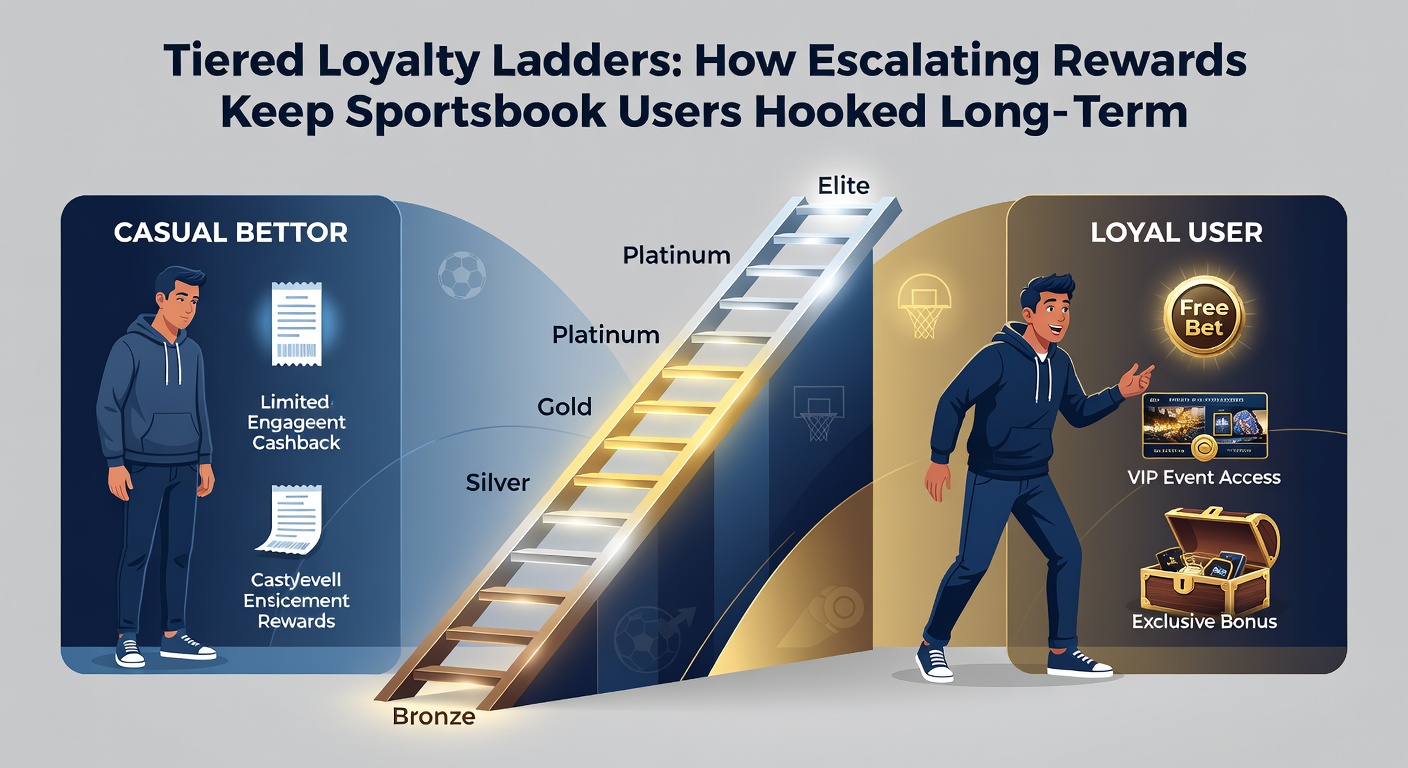
Real-World Examples from Leading Sportsbooks
Take DraftKings, where the Dynasty program layers tiers from bronze—offering 3% cashback on losses—to black tier, which unlocks a dedicated account manager and 25% profit boosts on select parlays; figures from their Q1 2026 earnings call showed tiered members wagering 40% more per month than non-participants, a pattern that held firm through April's NBA playoffs. FanDuel mirrors this with its FanCash ladder, escalating from 10% back on bonuses at entry level to unlimited withdrawals and custom odds boosts at the top, and app data tracked a 35% retention spike for gold-tier users during the 2026 March college basketball frenzy.
BetMGM pushes further with MGM Rewards integration, tying sportsbook play to casino and hotel perks, so silver users snag comped rooms at partnered resorts while platinum bettors access private jets for big-game weekends; industry trackers report this cross-vertical laddering extended average session times by 45 minutes in early 2026. Even emerging platforms like ESPN Bet jumped in, launching a four-tier system in February 2026 that rewards ESPN+ subscribers with faster escalations, leading to a 19% uptick in cross-app usage by April, as per app store analytics.
There's this case from Caesars Rewards, where one high-volume NFL bettor climbed from gold to diamond in a single season, unlocking lifetime status after hitting 100,000 points; such stories circulate in forums, but the data backs it—platforms with narrative-driven ladders see 25% higher referral rates, since users share progress screenshots to boast about their climb.
Data-Driven Proof of Long-Term Retention
Research indicates these ladders don't just hook users short-term; they forge habits that last, with a 2025 Eilers & Krejcik Gaming report finding that 62% of U.S. bettors in top tiers remained active 12 months later, compared to 38% in basic programs, and by April 2026, that gap widened amid economic headwinds that trimmed overall handle in states like Pennsylvania. Figures reveal escalating rewards correlate with a 17% increase in lifetime deposits, as users who hit platinum wager 2.5 times more annually while enjoying rebates that offset variance.
But here's where it gets interesting: international data from Australia's Journal of Gambling Studies (2024 edition) showed tiered programs in Down Under markets reduced problem gambling flags by 12% through capped daily rewards at lower levels, suggesting a self-regulating effect as users pace climbs sustainably. In Europe, operators like Betsson reported 29% lower attrition in tiered cohorts during the 2026 soccer season, tying it to personalized milestone bonuses that ping users right when engagement dips.
Challenges, Regulations, and the Road Ahead
Regulators keep a close eye, though; New Jersey's Division of Gaming Enforcement mandated transparent tier disclosures in 2025 rules, ensuring users see exact point-to-perk math before climbing, a move that cut complaint volumes by 14% in audited platforms by April 2026. Pennsylvania followed suit with caps on top-tier inducements, aiming to balance retention against overextension risks, yet data shows compliance hasn't dented participation—tiered enrollment rose 11% statewide post-rules.
Critics point to addiction concerns, but studies from Canada's Gambling Research Exchange counter that escalating structures with opt-down options (letting users drop tiers voluntarily) foster control, with 71% of surveyed users reporting better bankroll management at higher levels. Platforms adapt too, introducing pause features mid-ladder, which early 2026 pilots in Michigan showed boosted trust scores by 22%.
Yet challenges persist; economic squeezes in Q1 2026 trimmed promo budgets, forcing sportsbooks to lean harder on ladders for organic growth, and while some users plateau at mid-tiers, savvy operators counter with "booster challenges"—temporary point multipliers during events like the Kentucky Derby—that propel 15% more to elite status annually.
Conclusion
Tiered loyalty ladders stand as a cornerstone of modern sportsbooks, proven by retention metrics and engagement data to keep users invested over the long haul, escalating rewards in ways that turn one-off bets into enduring play. As April 2026 unfolds with NBA and NHL stretches testing loyalties, platforms refine these systems further, blending tech like AI-driven tier predictions with regulatory nods to sustain the climb. Those who've studied the landscape know the writing's on the wall: in a competitive field, the ladder that rewards escalation wins the race for user longevity.