Verification Chains Activate Layered Incentives Across Esports Wagering Networks Worldwide
Written by Theo Koch · Jul 30, 2026
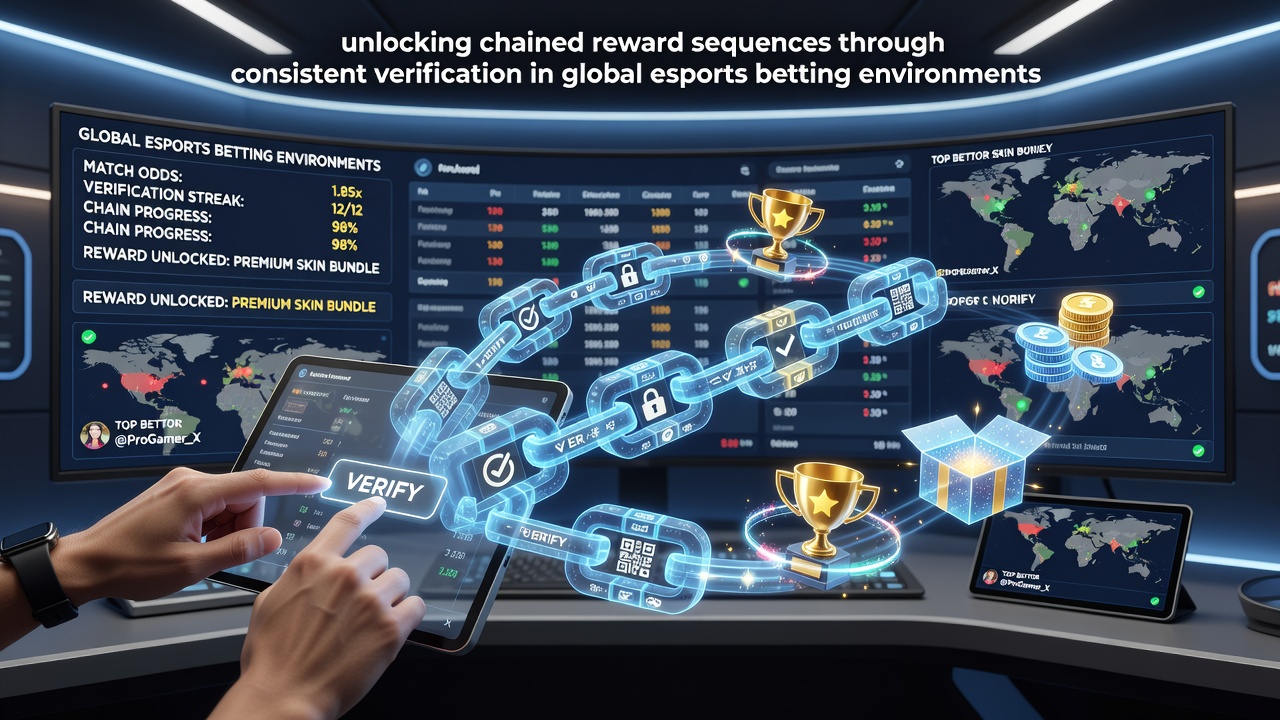
Verification Chains Activate Layered Incentives Across Esports Wagering Networks Worldwide
Data from multiple regions shows that esports betting operators tie sequential reward releases to ongoing verification steps, where users complete identity checks, activity confirmations, and compliance reviews at set intervals to unlock the next tier in a chain of bonuses, deposit matches, or free wager credits. These sequences typically begin with basic account validation, then progress through periodic reviews that confirm continued eligibility, allowing operators to distribute incentives while maintaining regulatory standards in markets from Asia to Europe and beyond.
Mechanics Behind Sequential Verification in Esports Platforms
Operators structure reward chains so that each verification milestone triggers the subsequent offer, and platforms often require players to submit updated documents or confirm recent wagering activity before the next layer becomes available, which extends engagement periods across popular titles like League of Legends and Counter-Strike tournaments. Research indicates that consistent verification reduces account duplication risks, while the chained format encourages repeated logins and sustained participation because missing one checkpoint delays or blocks later rewards entirely.
Global operators implement these systems with automated triggers that flag accounts for review after a set number of bets or days of activity, and July 2026 figures reveal rising adoption rates in emerging esports markets where mobile users dominate daily tournament betting. Those who study platform operations note that verification intervals range from weekly to monthly depending on the jurisdiction, with stricter schedules applied in regions that mandate frequent compliance audits to prevent fraud in high-volume esports events.
Regional Variations in Reward Unlocking Protocols
Platforms serving Asian esports audiences often link verification to real-name registration requirements, which then unlock chained deposit bonuses that scale with each confirmed period of activity, whereas European operators focus on cross-border compliance checks that release layered free bet sequences tied to tournament participation records. Australian regulatory updates in mid-2026 emphasized verification-linked incentives for esports operators, prompting several sites to adjust their chains so that consistent document renewals directly correspond to escalating reward values across Dota 2 and Valorant betting markets.

Canadian provincial frameworks have incorporated similar patterns where verification sequences determine access to multi-stage promotions during major esports seasons, and industry reports from the Responsible Gambling Council highlight how these structures help platforms balance player retention with responsible wagering controls. Observers note that South American markets are adopting comparable systems at a faster pace, with verification checkpoints now standard for releasing chained incentives during regional League of Legends circuits.
Impact on User Behavior and Platform Metrics
Studies of esports betting traffic show that users who complete verification sequences on schedule maintain higher average deposit volumes because each unlocked layer provides immediate value that encourages further activity, and data collected through 2026 indicates stronger retention rates on platforms that display clear progress trackers for these reward chains. Operators report that verification-linked sequences reduce bonus abuse incidents, since repeated checks filter out accounts attempting to exploit multiple offers without sustained engagement.
Platforms in competitive esports regions have refined their systems so that verification reminders appear directly in user dashboards during live events, which increases completion rates and keeps reward sequences active through extended tournament schedules. Figures from international gaming associations reveal that such protocols contribute to steadier handle growth in esports compared to traditional sports, because the chained rewards align with the frequent, short-duration matches that define the sector.
Future Developments in Verification-Linked Esports Incentives
Emerging technologies like biometric verification and blockchain-based activity logs are entering testing phases on several global esports platforms, where these tools could streamline chained reward releases by automating compliance steps while preserving the sequential structure that operators rely on for user retention. Regulatory bodies in multiple jurisdictions continue to evaluate how these advancements affect reward distribution fairness, particularly as esports betting volumes expand during peak summer tournament windows in 2026.
Industry organizations such as the European Gaming and Betting Association track these shifts, noting that verification consistency remains central to maintaining trust in layered incentive programs across diverse regulatory landscapes. Those monitoring platform updates expect further integration of real-time checks that align with live esports schedules, allowing reward sequences to adapt dynamically without interrupting user flows.
Conclusion
Verification chains continue to shape how global esports betting platforms structure and release layered rewards, with consistent compliance serving as the gatekeeper for each subsequent incentive tier. Data through July 2026 demonstrates sustained implementation across regions, where these systems support both operational security and extended user participation in fast-paced tournament environments. As technology and regulations evolve, the core pattern of linking ongoing verification to sequential unlocks shows no signs of fading from esports wagering operations worldwide.